by Wanda Mann
Traversing Piedmont in a bouncy van with Cesare Benvenuto Pio behind the wheel and his cousin Federica Boffa Pio riding shotgun, I sensed that there’s no other place in the world where the fifth-generation vintners of Pio Cesare would rather be. Whether we were driving to their historic cellars in downtown Alba, to their vineyards in Barbaresco and Barolo, or to the Boffas’ home for a meal, their joy was palpable, as was their commitment to serving as responsible stewards of their family’s legacy.
Federica is acutely aware that all eyes are on her. The only child of the late Pio Boffa, a beloved icon of Italian wine, Federica became the proprietor of Pio Cesare when her father died at age 66 from COVID-19 in 2021. She was only 23. During my visit last fall, she was preparing to celebrate her 26th birthday.
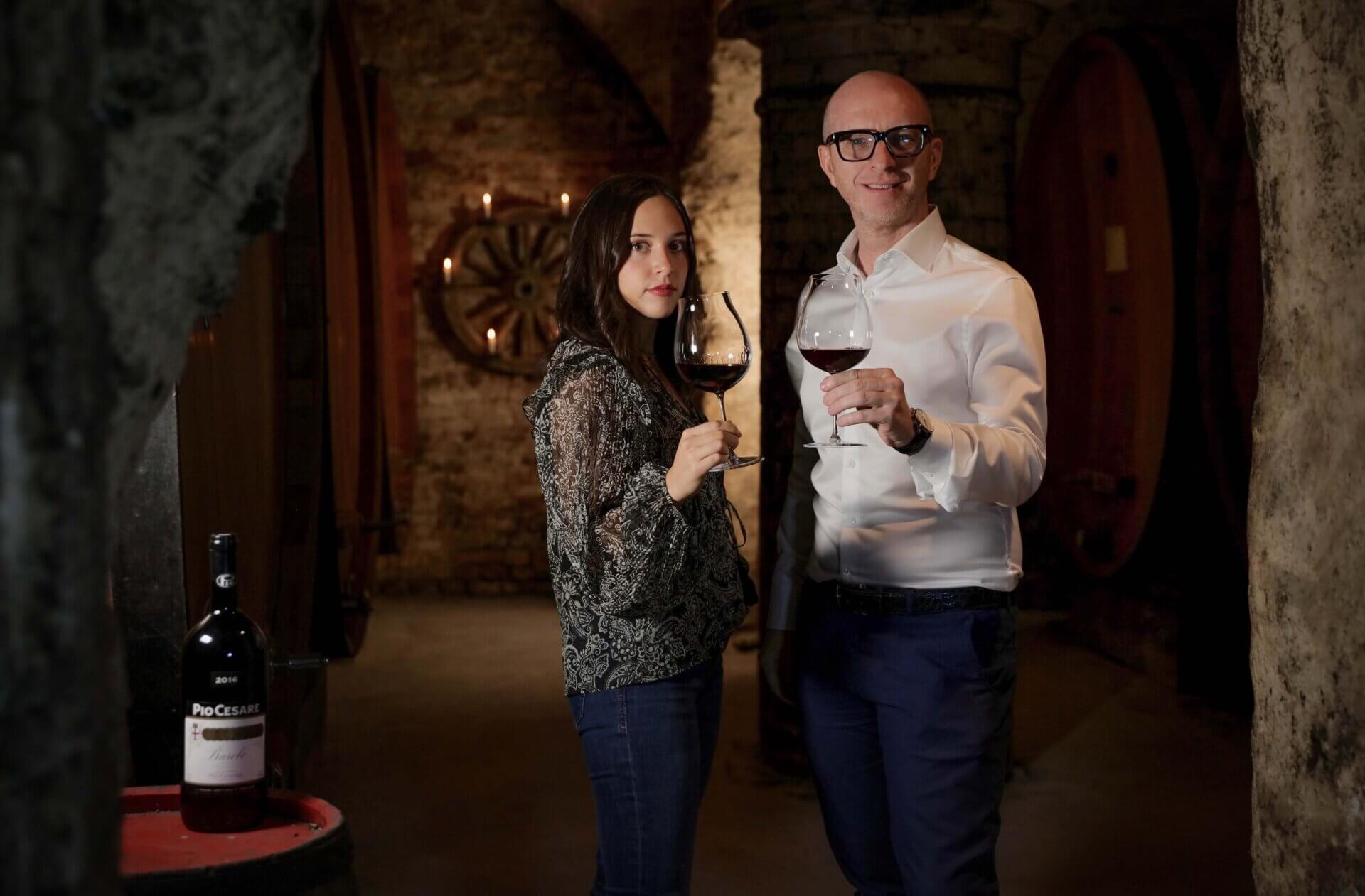
Being tapped to lead an esteemed winery at such a young age while mourning the loss of a parent is almost impossible to fathom, but Federica rose to the occasion. “The most challenging aspect for me is being a very young woman at the helm of a very historical and prestigious brand, operating in a very traditional ‘old man’ business,” she acknowledges. “In the beginning, it was not very easy to present our family and promote our wines, especially old vintages—the majority of them were produced much before my birth—and to discuss winemaking techniques and work in the vineyards, especially because I didn’t study these subjects at school.” She credits her father for preparing her beyond what any school could have, however: “I have been very lucky because I had the opportunity of having such a great teacher, who encouraged me so much and made me fall in love with wine. He used to bring me into the vineyards when I was a little girl, telling me stories about Nebbiolo, about our terroir, our microclimate, our soil; then [we’d go] into the cellar, where wine was fermenting or completing the aging process. I have to admit that I probably learned much more with him than [from] going to university!”
In that light, Federica views her youth as an asset, not a liability. And she’s already wise enough to know that valuable lessons are often gained from mistakes; as she puts it, “It means I have a very long period in front of me where I can experiment with new things and sometimes make bad decisions, which will help me in improving my knowledge and my experience.” Of course, the fact that she does not have to go it alone helps. Her mother, Nicoletta Boffa, with whom Federica shares an apartment above the winery, is a steadfast source of support and home-cooked meals. (I can attest that Nicoletta is a fantastic cook!) And her cousin Cesare, who worked closely with her father, has an intimate understanding of the business. Their many responsibilities include traveling to the more than 50 countries where Pio Cesare is sold while serving as ambassadors to a winery with more than 140 years of history. “The most important thing for our generation is never considering tradition as a suffocating burden but always as a promising starting point,” says Cesare. “For example, we decided to expand our horizons and invest for the first time in two different [Piedmontese] regions outside the Barolo and Barbaresco area,” namely Alta Langa and Colli Tortonesi.
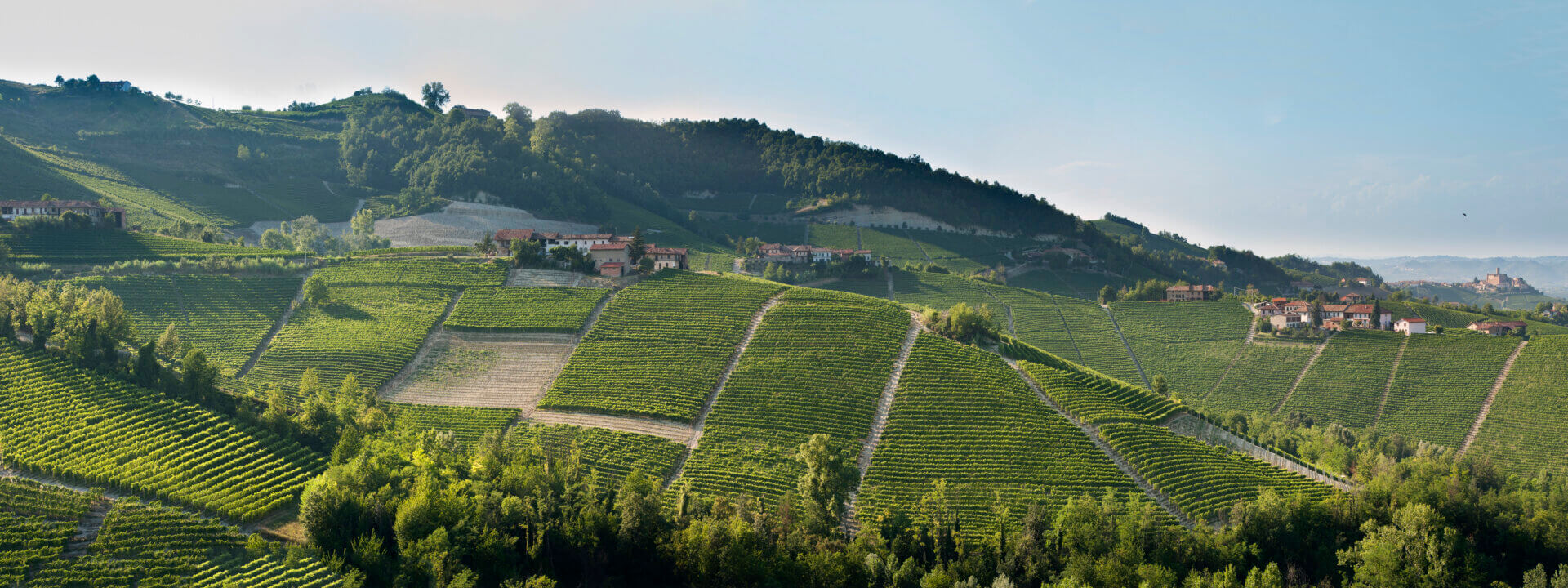
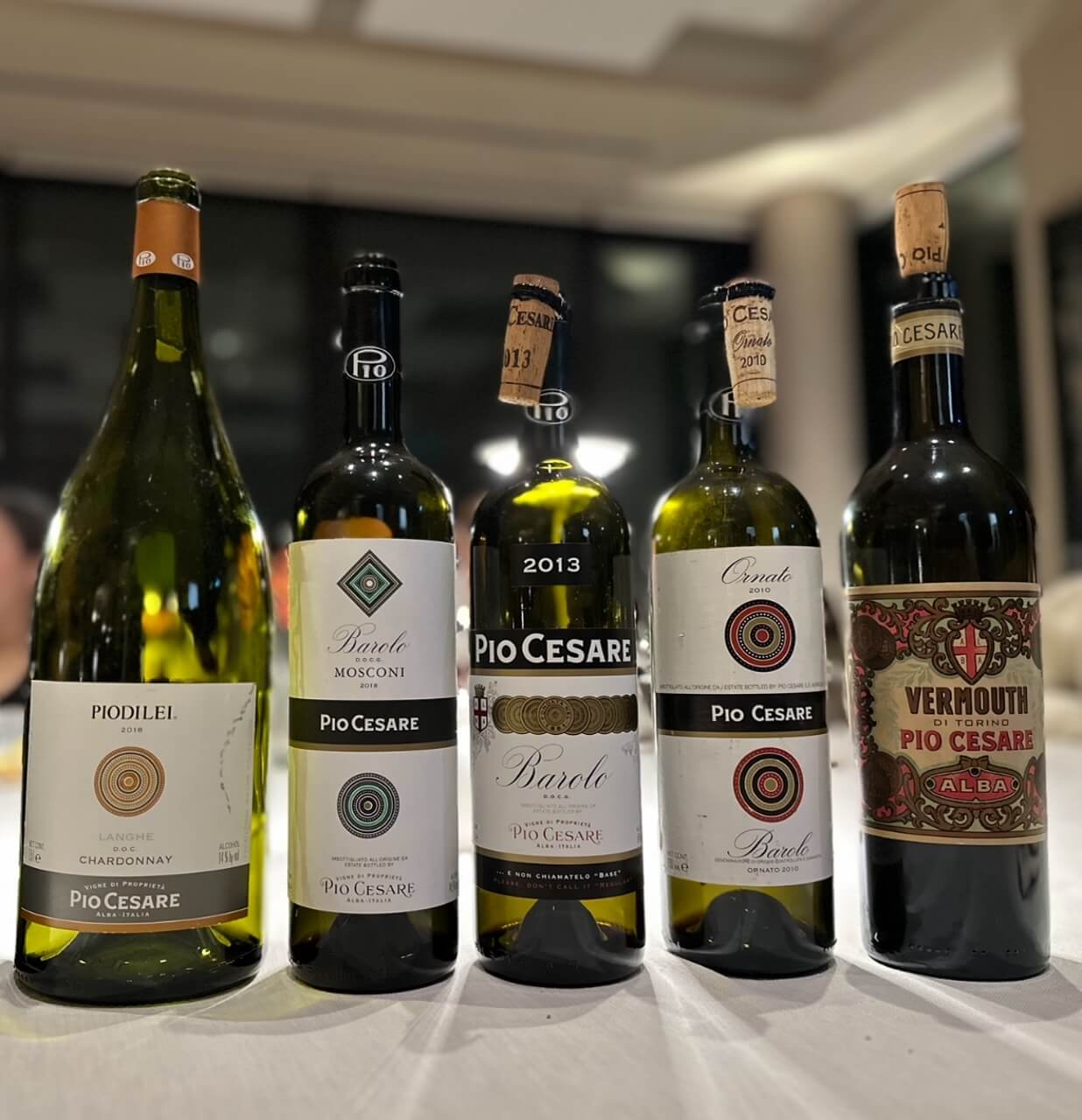
Cesare believes their Nebbiolo plantings in Alta Langa are an important step toward addressing challenges caused by climate change. “Here you may find higher altitude, fresher temperatures, and more abundant rainfalls and snowfalls [as well as] a very promising soil and terroir to produce complex wines with great aging potential,” he says. As for their investment in Colli Tortonesi, it’s an integral part of their plan to increase Pio Cesare’s white-wine production, which started with Piodilei Chardonnay in 1981 and eventually expanded to Sauvignon Blanc. More recently, they have planted the indigenous grape Timorasso in Colli Tortonesi, from which they intend to make a wine “very similar to our Barolo [in that it will be] structured and powerful, with great longevity, but at the same time with great freshness, elegance, and finesse,” explains Cesare.
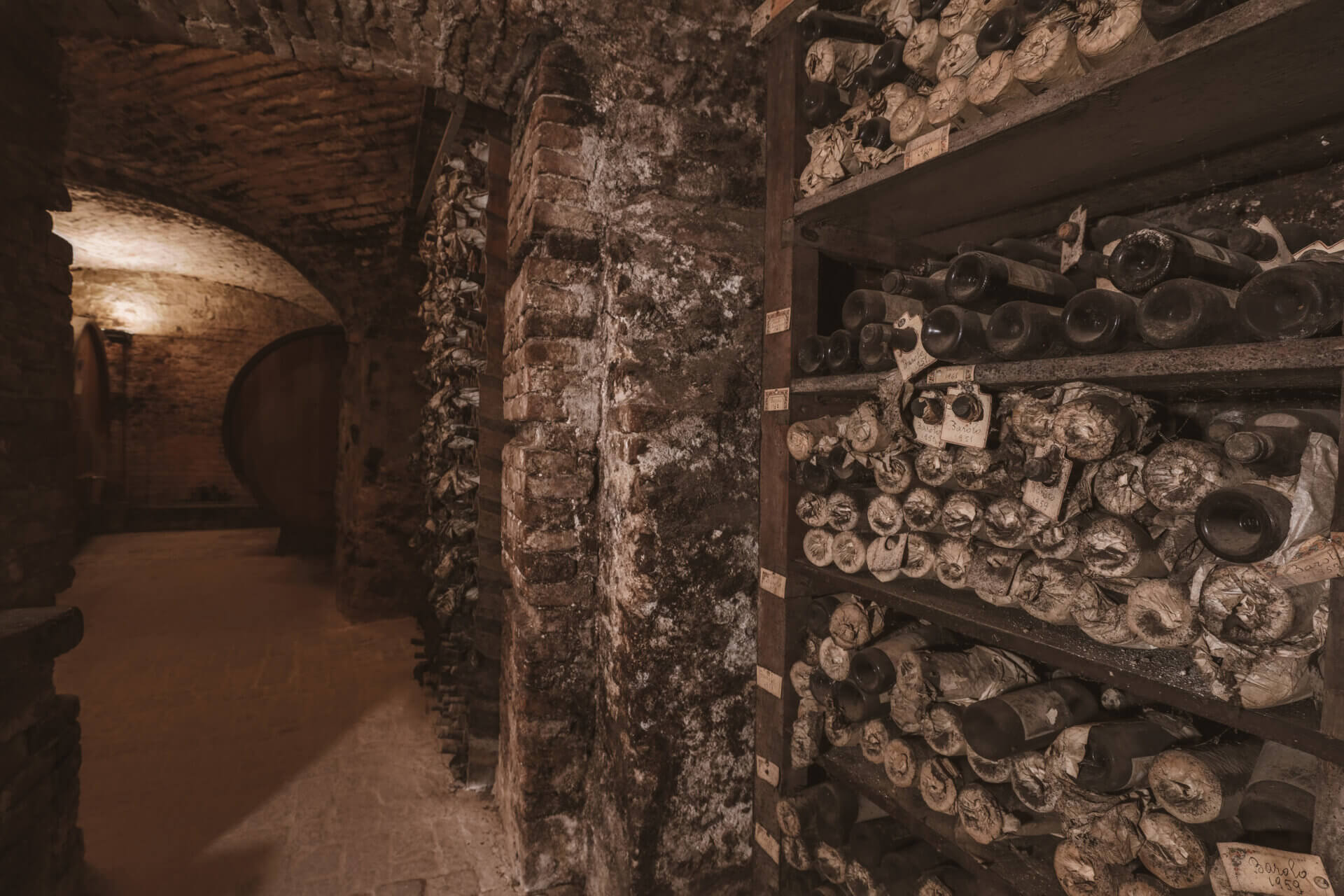
Pio Cesare’s portfolio may evolve, but for Federica, one guiding principle remains immutable: “The most important thing is continuing to be devoted to high quality without any compromises in order to produce great wines and great vintages like the previous generations,” she says.
I’ve traveled to many wineries, but my experience at Pio Cesare was uniquely intimate and emotional. While I thoroughly savored sipping exquisite old vintages of Barolo and Barbaresco as fresh white truffles rained down upon my plate, the opportunity to immerse myself in the home life of a winemaking family was the true rarity. I never had the opportunity to meet the late Pio, but his smiling face greeted me in photos throughout the Boffa home. At first, they filled me with sadness for the loss that Nicoletta, Federica, Cesare, and everyone who loved the man have endured. But I was also filled with admiration and respect for his legacy and for how the family behind Pio Cesare is passionately realizing his vision to ensure the future of the winery for generations to come.