

Oregon Chardonnay is HAVING a moment. The Willamette Valley may always be best known for Pinot Noir, but in recent years Pinot’s white Burgundian sibling has been raising eyebrows and thrilling palates.
Chardonnay is hardly new to Oregon. It was among the varieties planted by the state’s wine pioneers in the 1960s and 1970s, though it long played second fiddle to Pinot Noir. The introduction of Dijon clones in the 1980s gave it a temporary boost in prestige, but it still struggled to emerge from Pinot’s shadow.
French influence has helped raise its profile. The Drouhin family of Maison Joseph Drouhin founded Domaine Drouhin Oregon in the Dundee Hills in 1987. Dominique Lafon partnered in Lingua Franca, established by Master Sommelier Larry Stone. Jean-Nicolas Méo joined Nicolas-Jay, and Maison Louis Jadot arrived in 2013 to establish Résonance, which recently launched a Chardonnay program, as profiled by SOMM Journal senior editor Kate Newton in our June/July 2025 issue.
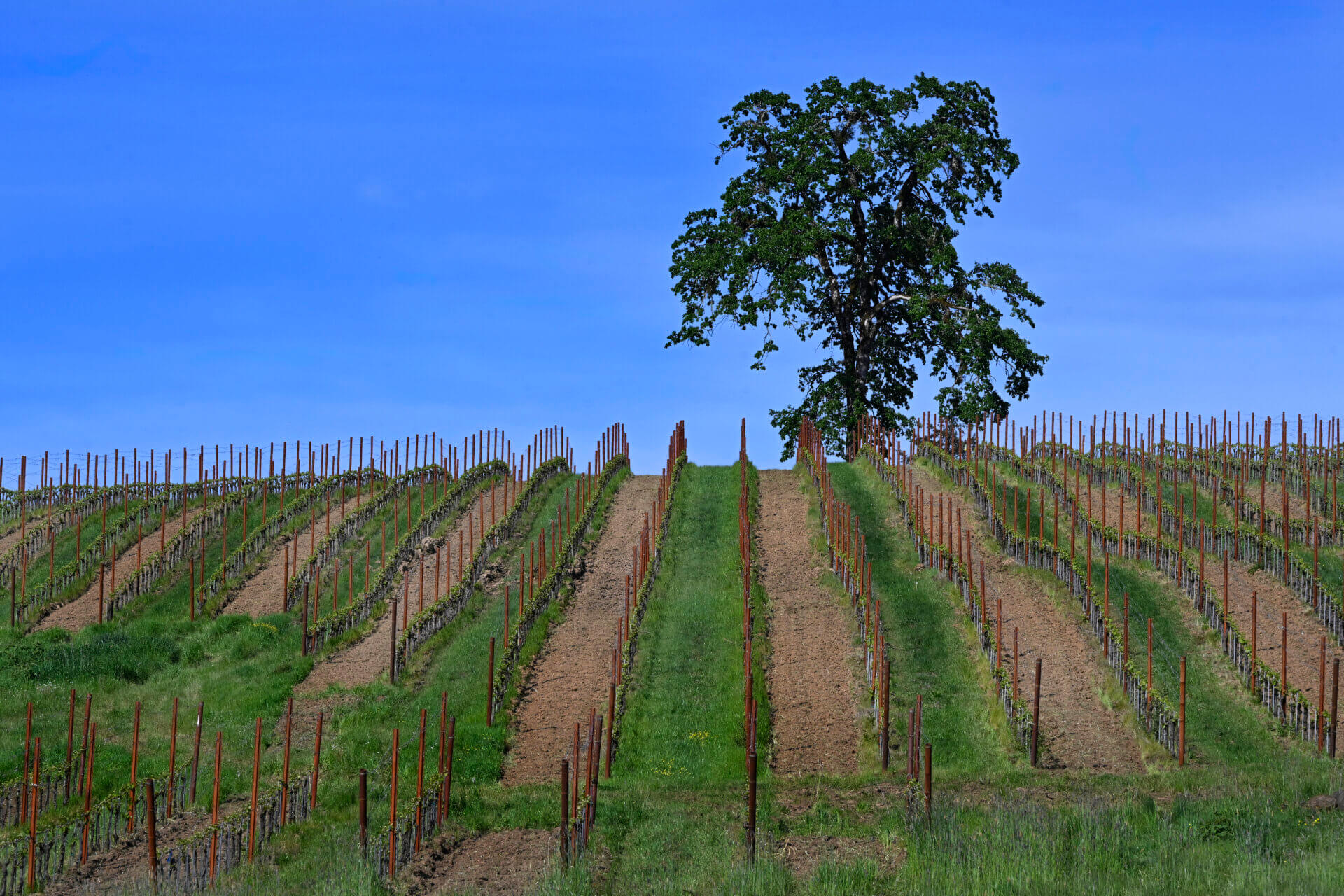
Younger vineyards planted to Chardonnay ten to 15 years ago have reached maturity. Notable sites include X Omni and X Novo, planted by former Joseph Phelps executive Craig Williams, and Koosah Vineyard, planted in 2013 and purchased by Résonance in 2022. These vineyards, on volcanic and marine sedimentary soils in the Eola–Amity Hills AVA, benefit from warm days and cooling afternoon winds through the Van Duzer Corridor to the west. Domaine Drouhin, a Dundee Hills veteran, expanded into Eola–Amity Hills in 2014 by acquiring Roserock Vineyard, where it produces excellent Chardonnay as well as Pinot Noir. “Eola–Amity Hills is the future for Chardonnay in the Willamette,” Résonance winemaker Guillaume Large told me in June.
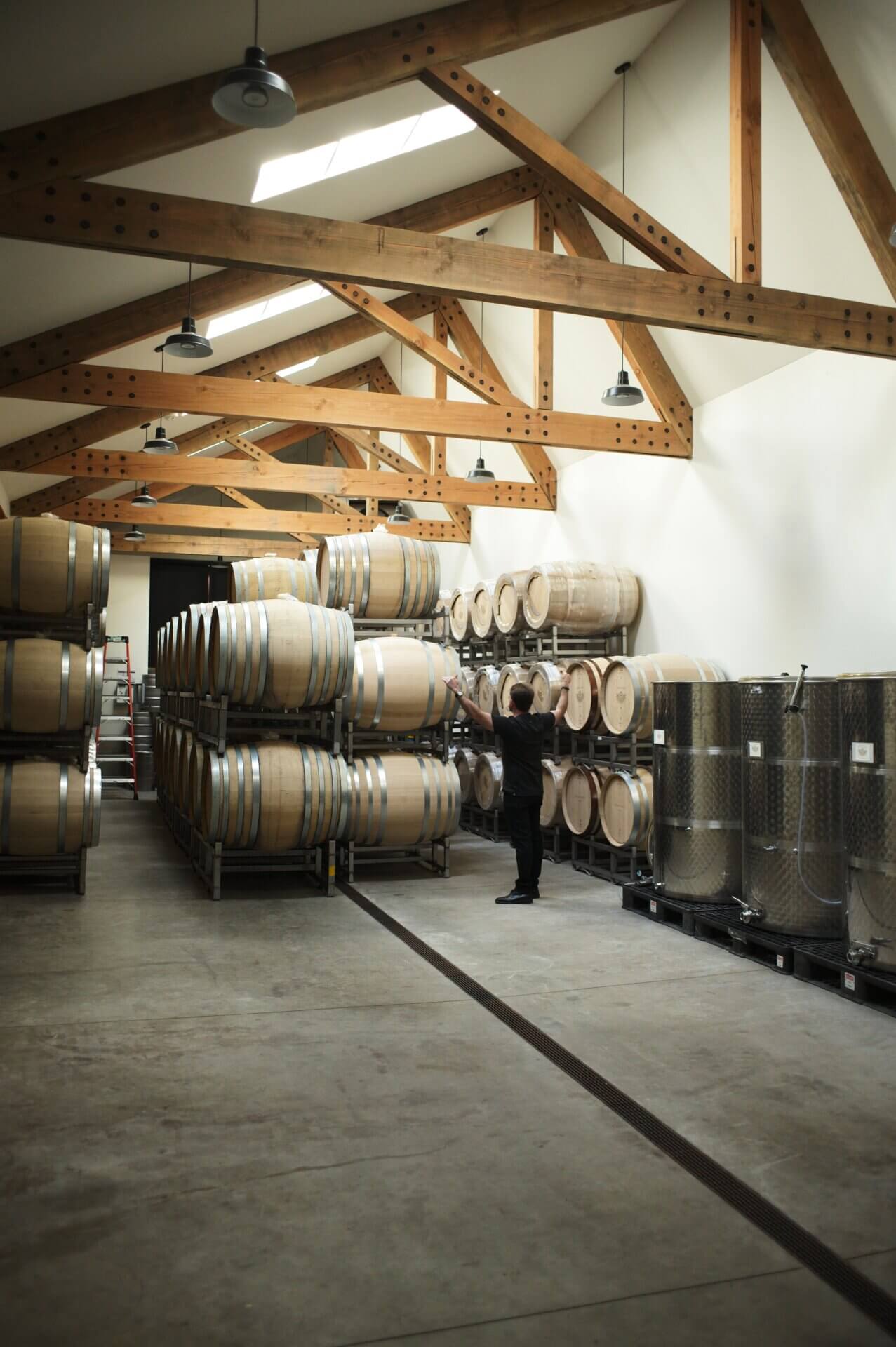
A group of younger winemakers is helping drive this surge. Seth Morgen Long of Morgen Long claims to be the only producer in the Willamette Valley producing exclusively Chardonnay. Ken Pahlow and Erica Landon, founders of Walter Scott Wines, started with Pinot but soon focused on outstanding single-vineyard Chardonnay from X Novo, Koosah, Witness Tree, and Temperance Hill. Evening Land Vineyards crafts exceptional Chardonnay from its Seven Springs Estate property, also in Eola–Amity Hills.
In tasting these wines, I noticed striking stylistic contrasts that may be just as important as the influence of their appellation. Morgen Long’s and Walter Scott’s Chardonnays are oak-forward and reductive, emphasizing structure, energy, and a mineral quality. These are edgy, provocative wines that make me lean in with curiosity: I want to know what’s happening.
Others are calmer, with less reduction and new oak. Chardonnays from Résonance, Bergström, Domaine Drouhin, Sokol Blosser, and The Eyrie Vineyards had me smacking my lips and thinking, “Yeah, that’s what it’s about.”
Either style is a superb ambassador for Willamette Valley Chardonnay. And just to throw a teaser out there, the next wave in the wine region is already underway—get ready for Willamette bubbly.