

Some of us spend our entire careers searching for alternatives to what the industry shoves down our throats: You can hardly differentiate yourself when you’re forced to sell the same wines as everyone else. When it comes to California Cabernet Sauvignon, I can think of a few producers that serve as poster children for that hard-reached goal.
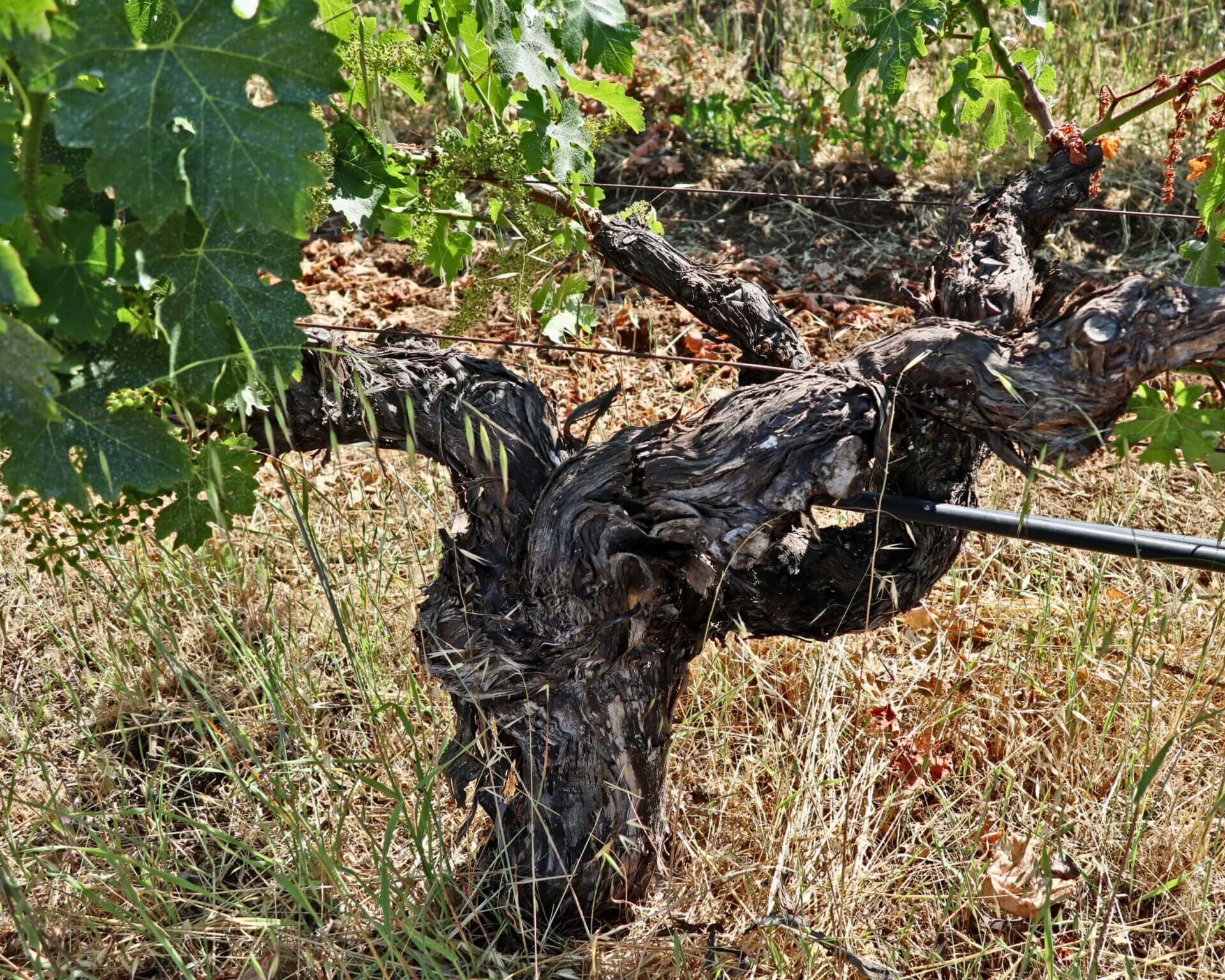
In 1977, Patrick Campbell stumbled upon the 35-acre Laurel Glen Vineyard on Sonoma Mountain, originally planted to just 3 acres of Cabernet Sauvignon. Among the coolest sites in California planted to the grape, it sat on what he called “a small finger of red volcanic soil” embedded into a gentle hillside facing east, where it soaked up mild morning sun. The vines were old enough to have begun producing their own, tiny-berried “Laurel Glen” selection, utilized exclusively in all new plantings. With these, Campbell felt he could produce the closest thing to a Bordeaux-style red, albeit as a single-varietal expression, in the country.
And so he did. Campbell increased his plantings on the 800- to 1,100-foot slopes to 14 acres, releasing his first vintage, 1981, under the Laurel Glen label in 1983. Early buyers, myself among them, came to look upon the wine as the “anti–Napa Cab”—svelte, compact (rarely higher than 14% ABV), concentrated, full of more minerality than fruitiness, and driven more by acidity than tannin or oak.
After laboring in almost heroic isolation for over 32 years, never producing more than 5,000 cases of his estate wines, Campbell grew tired of the battle and longed to pursue his other lifelong passion—playing the fiddle (literally) with friends. Around the same time, in 2009, Bettina Sichel got her first taste of a Laurel Glen courtesy of the 2005 vintage. She still describes the experience as “electrical, like sticking a finger into a light socket . . . so much acid energy, a steely core, and savory fruit”—the opposite of the “big and luscious” style of Napa Valley, where, at the time, Sichel had been searching for a property to buy, all for nought.
Says Sichel, “Since I had spent a lot of my younger years in Bordeaux, where my father owned a property [Château Fourcas Hosten in Listrac-Médoc], it was Laurel Glen that spoke to my heart.” Since acquiring Laurel Glen from Campbell in 2011, she has converted the entire vineyard to certified organic, with aggressive cover cropping, soil amendments (particularly biochar), and buzzing insectaries between the rows. The benefit of conscientious farming, she tells us, has been “increased midpalate feel—more flesh on the bone—making the wine more easily appreciated when young, without sacrificing one iota of the acidity, phenol intensity, or longevity that have always been part of the vineyard.”
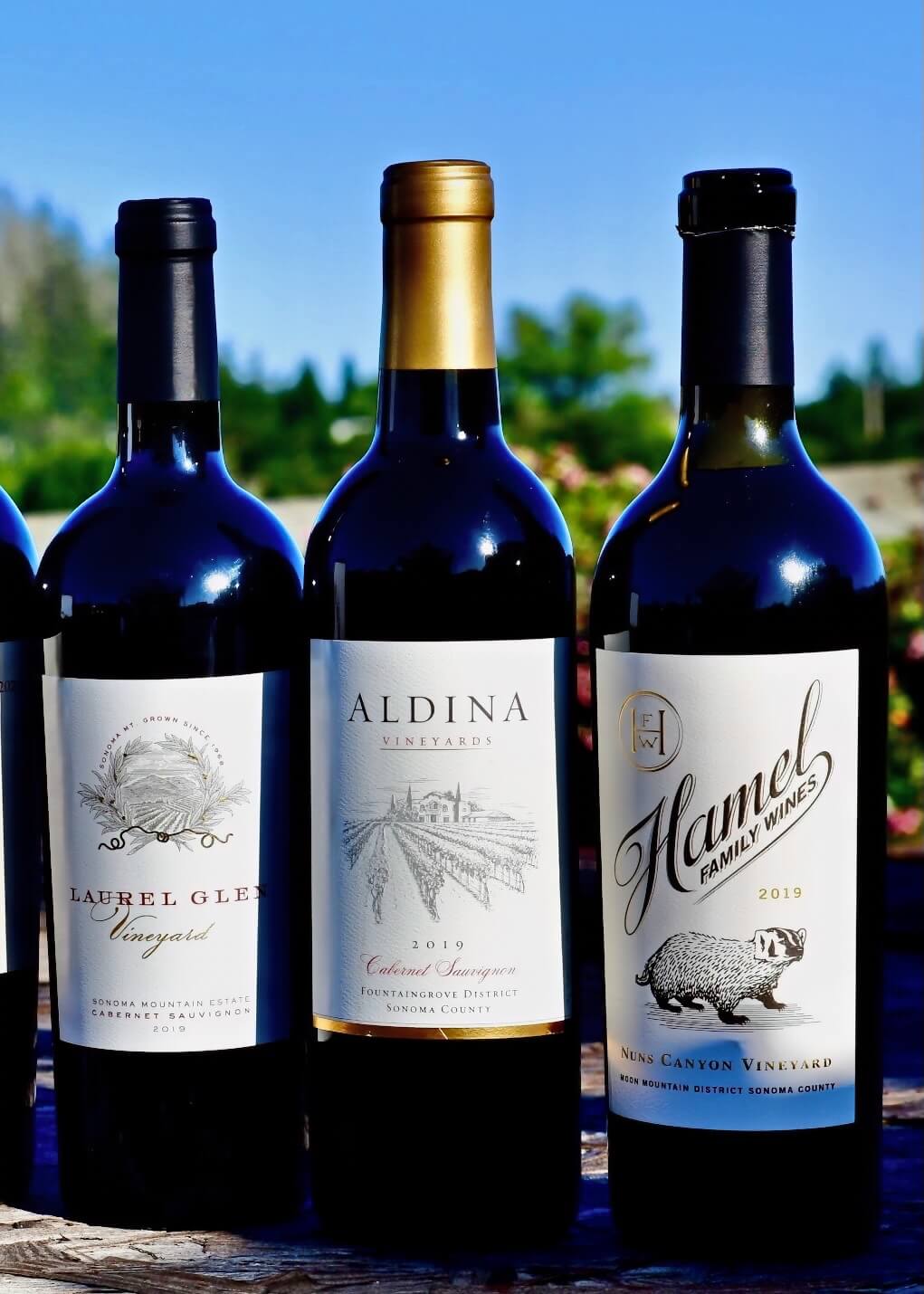
Like all recent vintages of Laurel Glen’s Sonoma Mountain Estate Cabernet, the brand’s current release, a 2019, is 100% organically grown, fermented with indigenous yeast, and aged in French oak (typically less than 55% new). It’s deeply pigmented, with concentrated notes of black currant and chocolate; while dense and unctuous, it’s also upbeat and acid-driven.
Laurel Glen is special, but it’s not the only producer in Sonoma County making a different style of Cabernet. I also appreciate Hamel Family Wines, whose Nuns Canyon Vineyard in the Moon Mountain District harbors biodynamically grown Cabernet vines on volcanic slopes of roughly 1,400 feet in elevation. These produce a minerally, almost briny style of the variety whose purity is ensured by aging in primarily neutral (68%) French oak for 12 months, followed by six months in concrete tanks.
Further north, there’s Aldina Vineyards in the recently approved Fountaingrove District AVA, which sits on west-facing, volcanic slopes in the Mayacamas Mountains. It produces a restrained, savory, acid-spined style of wine that could convert even a Pinot Noir lover into a Cabernet freak, à la the blonde who, according to Raymond Chandler, could make a bishop kick a hole in a stained-glass window.