

story by VIRGINIE BOONE photos by ALEXANDER RUBIN
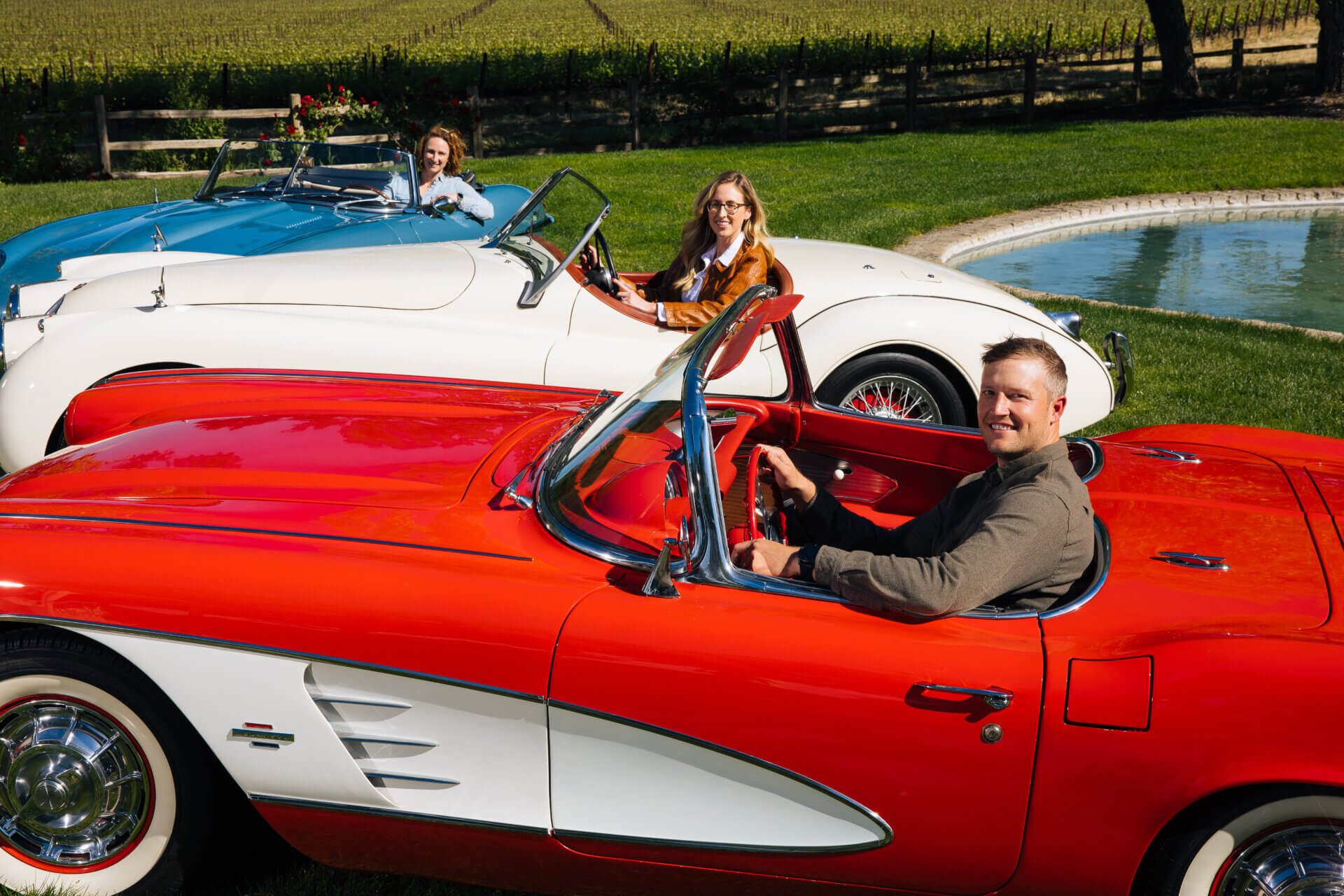
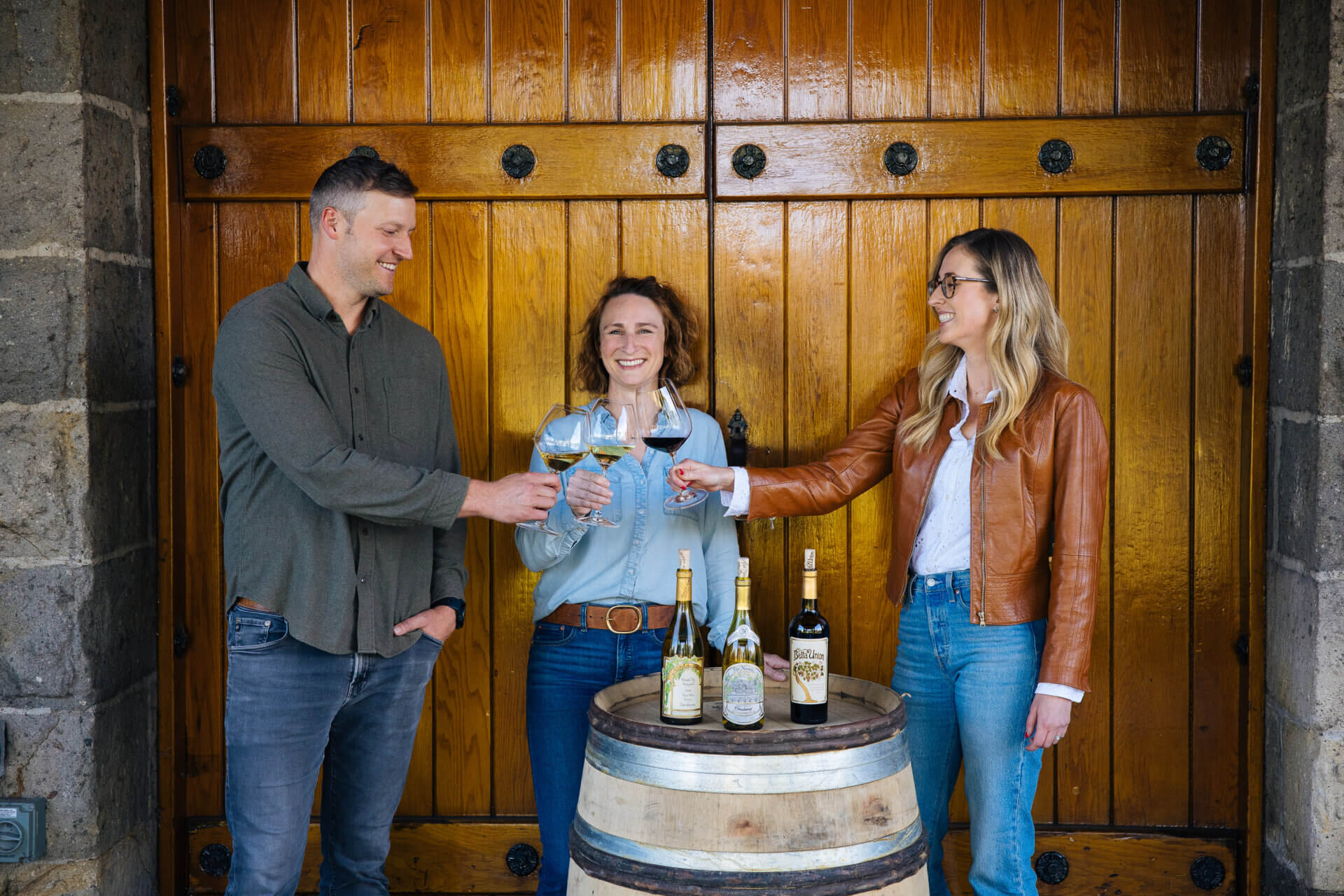
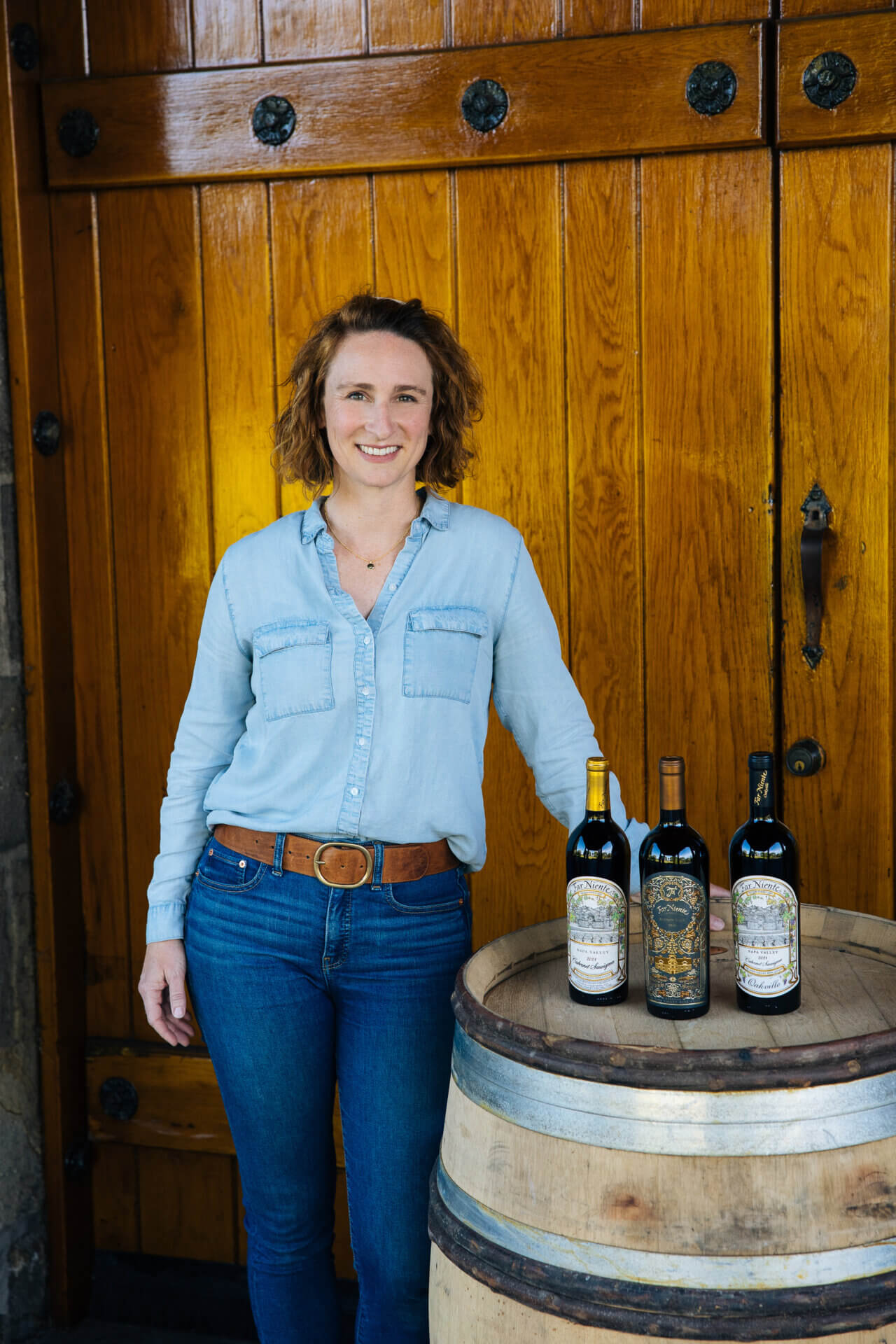
Nicole Marchesi of Far Niente Winery, Brooke Bobyak Price of Bella Union Winery, and Joe Harden of Nickel & Nickel Winery.
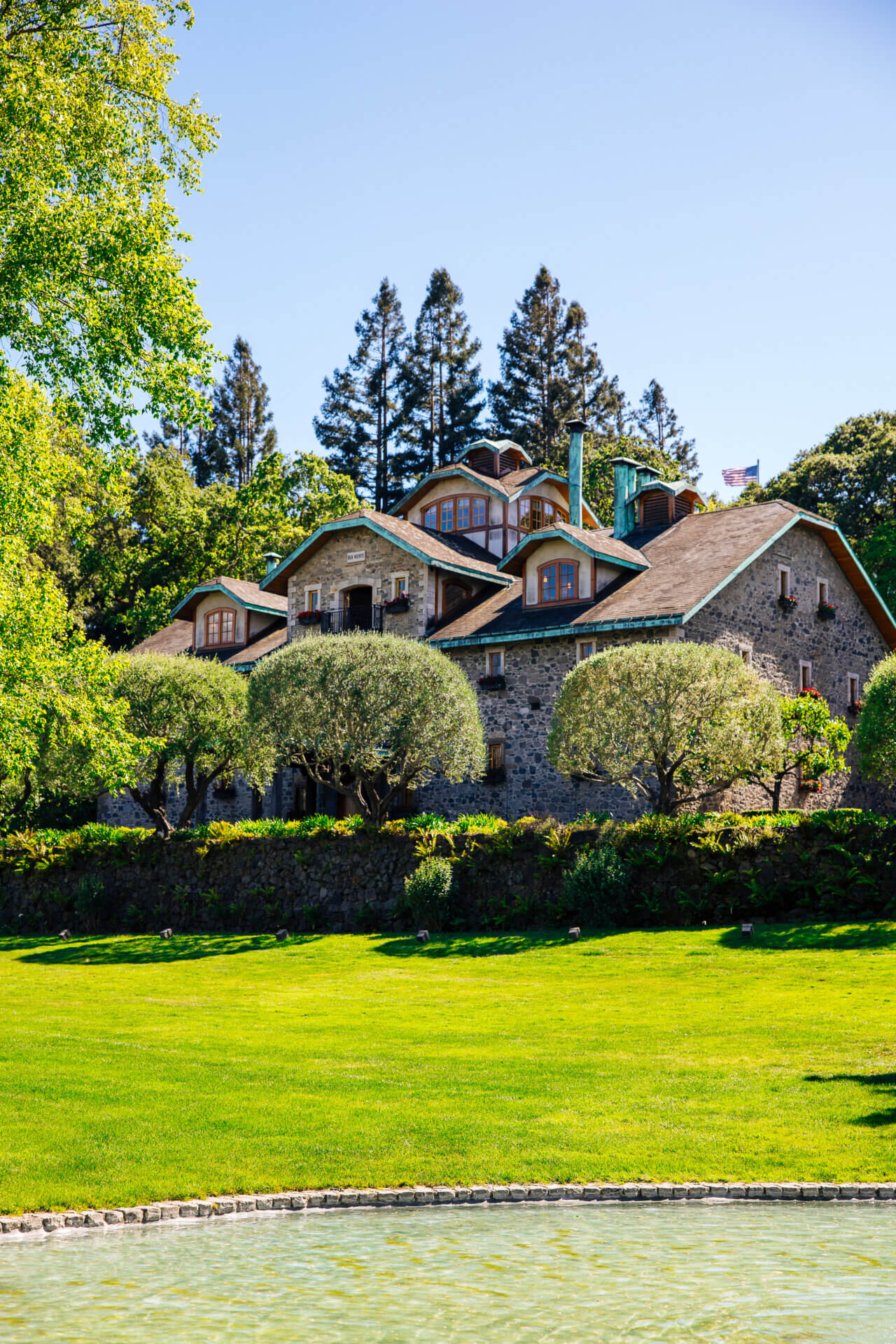
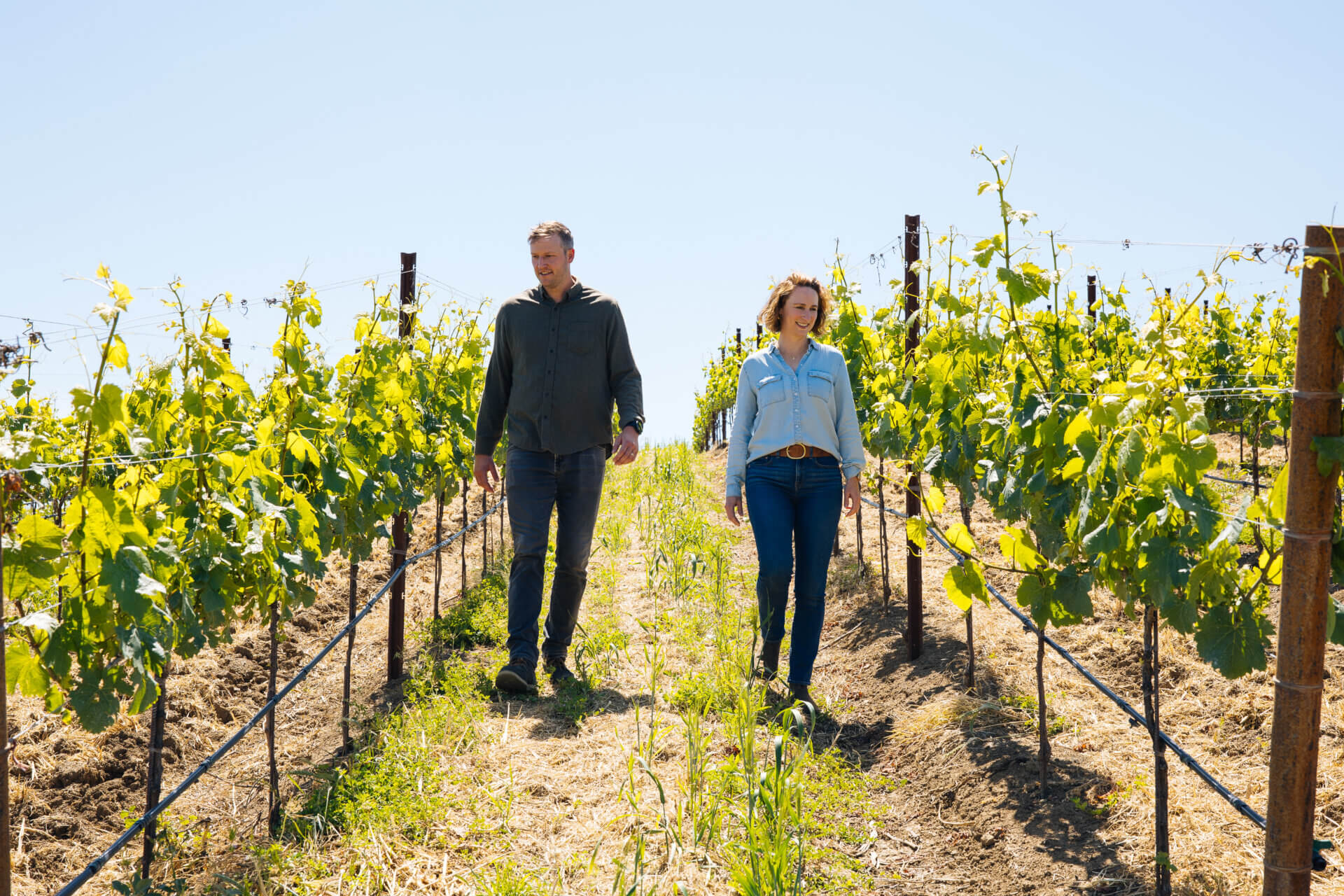
The Grand Sky Vineyard in Carneros has undergone strategic replanting, among other improvements.
Far Niente’s reputation for high-quality Napa Valley Cabernet Sauvignon and Chardonnay has made it one of the most iconic names in the region’s history. But while the Oakville-based producer could easily rest on its robust laurels, a key reason for its enduring greatness is its constant drive to improve. This philosophy goes back to founder Gil Nickel, who re-established the historic winery in 1979 on the belief that curiosity is the key to always getting better.
Carefully managing farming practices to maintain fruit quality is also paramount for producing exceptional wine, according to Nickel—a principle that his nephew, Erik Nickel, fervently upholds. Following Gil’s passing in 2003, Erik assumed management of all Nickel family assets with the desire to ensure their long-term success by spearheading efforts to improve quality. This transformative decision, made with the support of business partners Beth Nickel, Larry Maguire, and Dirk Hampson, has proven its worth. Erik initiated a comprehensive assessment of the vineyards’ quality and advocated for changes aimed at providing Far Niente’s winemakers with superior raw materials.
To that end, in 2021, the prestigious estate embarked on a multipronged project to revamp its approaches to everything from grape growing to winemaking, literally planting a new foundation for its future. This applied not only to Far Niente but to the company’s entire family of California wineries, linked by a joint mission to produce world-class wines that are representative of their respective vineyards and varieties: namely Nickel & Nickel (which produces single-vineyard, monovarietal Cabernet Sauvignon), Bella Union (Rutherford-based Napa Valley Cabernet), Dolce (late-harvest dessert wine), EnRoute (Russian River Valley Pinot Noir), and Post & Beam (classic Napa Cabernet and Chardonnay). Each winery is driven by the goal of producing the best wines in their respective signature styles with the softest touch on the land, ensuring its resilience in the years to come.
Future-Proofing
Step one of the process was to elevate Far Niente’s prized Oakville estate vineyard, Martin Stelling, with a strategic replanting; step two was to safeguard its core varieties—Cabernet Sauvignon and Chardonnay—against unpredictable weather events through sustainable measures. And step three was to gain more control over sources and farming practices by acquiring more vineyard land.
The desire to learn from the best during this transformational time led to the hiring of two vital consultants, winemaker Thomas Rivers Brown and viticulturist Garrett Buckland—both considered to be at the top of their fields. “The replant of Stelling and hiring of Thomas Rivers Brown were concurrent,” says Far Niente winemaker Nicole Marchesi. “There was a desire to up our Oakville game . . . both in the vineyard and cellar.”
Dealing with disease pressure, director of vineyard operations John McCarthy and his team wanted to enhance the overall health of the site, even if it meant pulling out good blocks in order to make them exceptional. Brown and Buckland helped by recommending the best clones—such as STE, a heritage Cabernet Sauvignon clone known as the Stelling clone—and drought-resistant rootstocks for the site based on soil samples. One block of Cabernet Franc (the first to be planted here since the late 1980s) was added to the existing plantings of Cabernet Sauvignon and a small amount of Petit Verdot.
Other improvements included changing the row orientation of the vines from east-west to northeast-southwest. This way, as McCarthy explains, “The morning side of the vine row receives the same heat units as the afternoon side, [which helps] promote uniformity and passively avoid sunburn. This leads to better quality and quantity, so it’s a win-win.”
Trellising was also changed to a horizontally divided system that allows more sunlight to penetrate the canopy and give the grapes even exposure to the dappled light. “Pre-2021, before we started the redevelopment work, Stelling was a clone 7 property on a 5C rootstock at an unideal row orientation,” McCarthy says. “There’s a drastic difference—it is night and day—in the fruit and the wine. We found improvements in something that was already great.”
Buckland also helped focus on future-proofing the vineyard against extreme heat, frost, and other weather events. Misting systems were installed to help cool the vines during extended heat waves; so were weather stations to track soil moisture, ambient temperature, wind speed, humidity, and rainfall. Additionally, eight new frost fans were added across all properties, two of them wind- instead of water-powered. This alone is expected to save a million gallons of water per fan per year on average.
Introducing Benson Vale
Far Niente’s history dates back to 1871, when it was founded by John Benson, a successful real estate investor who arrived in California during the gold rush era and realized his dream of building one of Napa’s first wineries. In 1885, Benson hired architect Hamden McIntyre to design and build the three-story gravity-flow facility, which is now on the National Register of Historic Places.
Benson’s heirs sold the property to the neighboring Doak family in 1917. The widowed Frieda Doak then married Colonel John McGill in the 1920s, and the estate was known for a time as the McGill Ranch. In 1944, Martin Stelling Jr., who had already acquired To Kalon next door, purchased the property from Doak; at one point, Stelling had 5,000 contiguous acres on the west side of Highway 29, but after he died in a car accident in 1950 at the age of 47, his property holdings were slowly sold off by his widow or left to their two children. One of them, Doug Stelling, inherited the Far Niente winery in 1979 and that same year sold it to Harold G. “Gil” Nickel.
Nickel soon set about restoring the abandoned winery, a process that took three years. Underground caves were added in the early 1980s—the first to be built in North America since the turn of the century—and expanded over the next 20 years to encompass 40,000 square feet of space for aging in 100% French oak. The first harvest from the Stelling Vineyard and the first crushing operations in the renovated stone winery took place in 1982.
Amid the changes being made to the 52.2-acre property, which borders other notable Oakville sites such as Harlan Estate and Martha’s Vineyard, Brown and Marchesi have ambitiously launched a new wine: Benson Vale. Named for Far Niente’s original founder, the $500 Stelling Vineyard Cabernet Sauvignon is a selection of the best barrels from the best blocks of this special site located on the western Oakville Bench. “All the blocks have the potential to go into Benson Vale,” Marchesi says. “It was about asking how we farm to make them all excellent, getting the appropriate crop load and shifting our mentality to doing more precise work early, like setting up better vineyard infrastructure from day one and doing less intervention at the end.”
Of Brown, Marchesi adds, “We’re aligned on winemaking. He is helping me elevate and amplify Stelling and Oakville; we are picking the best and bottling Benson Vale without any constraints.”
Rooting Down in Rutherford
Winemaker Brooke Bobyak Price is equally excited about the changes happening at Bella Union, which is moving into a new home in Rutherford that encompasses not only a vineyard purchased in 2022 but a new production facility and tasting room opening to the public this summer. “We’re taking a holistic, long-term approach, building from the ground up with a keen eye on the future,” Bobyak Price says.
The Bella Union estate sits on 121 acres in the western benchlands of the Mayacamas Mountains, 60 of them planted in alluvial soils primarily to Cabernet Sauvignon, which will enter into production over the coming decade. As with the Stelling Vineyard, rows are oriented northeast-southwest.
Besides the winery and tasting room, the remaining land includes 40 acres of protected wetlands and 25 acres dedicated to other natural habitats, with a significant portion reserved for the Bale Slough/Bear Canyon Creek watershed restoration project, a tributary stream that joins the Napa River.
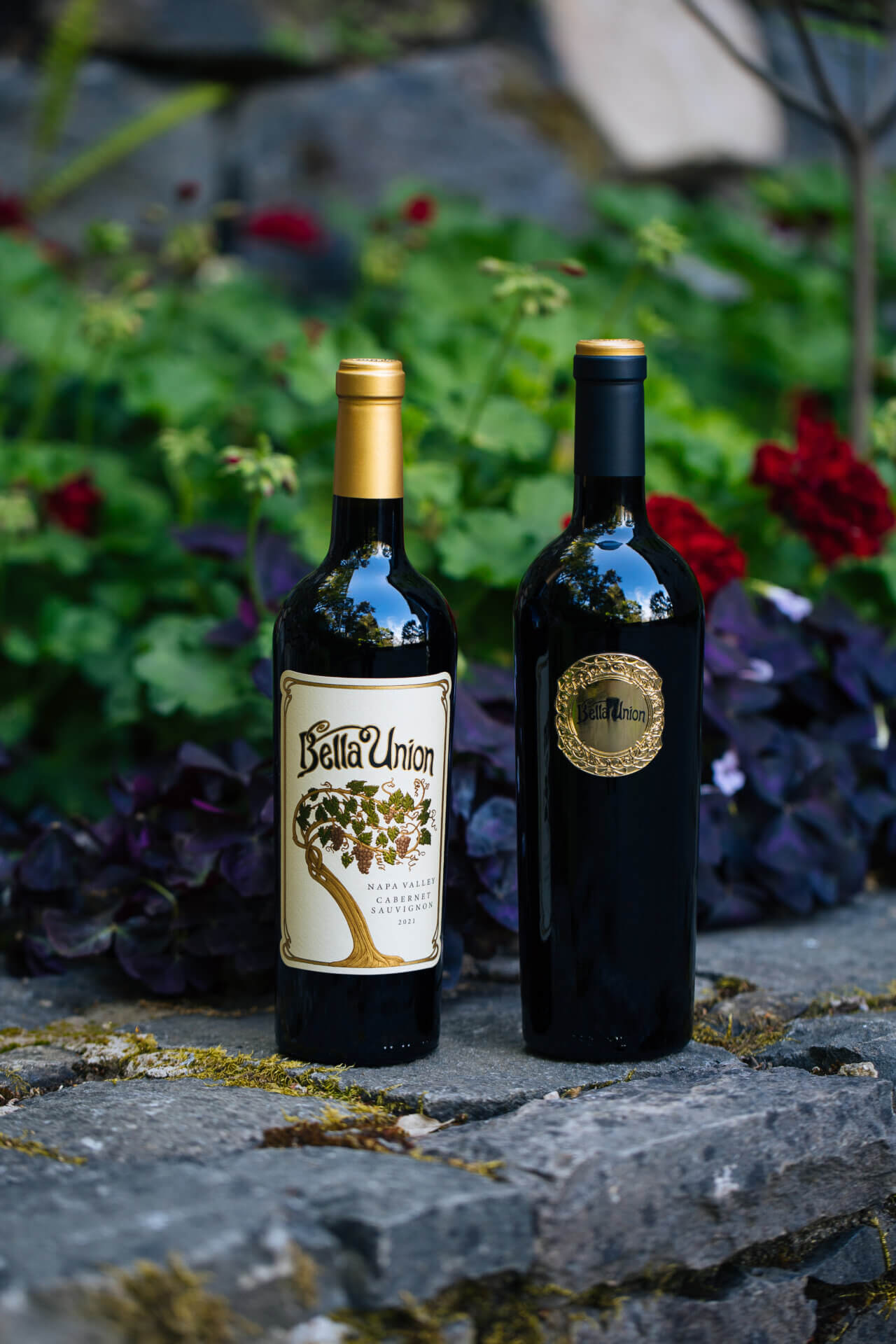
In addition to its signature Napa Valley Cabernet Sauvignon—whose current vintage, 2021, is made with all five red Bordeaux varieties—Bella Union will soon release a 100% Rutherford Cabernet Sauvignon. Price and the team have been walking the vineyard and identifying sub-blocks from which to source the new wine; they’ll be fermented separately in order to assess quality differences. Meanwhile, Bella Union’s portfolio will continue to center around three small-lot red blends and three small-lot white blends, which will be offered direct-to-consumer upon the winery’s opening.
Upping Its Chardonnay Game
Significant replants and other improvements are also underway at Far Niente’s first estate vineyard in Carneros, Grand Sky, purchased in 2021 as part of the winery’s pursuit of land in cool-climate areas. Sitting on well-draining loamy soils, it is one of the highest-elevation sites in the appellation.
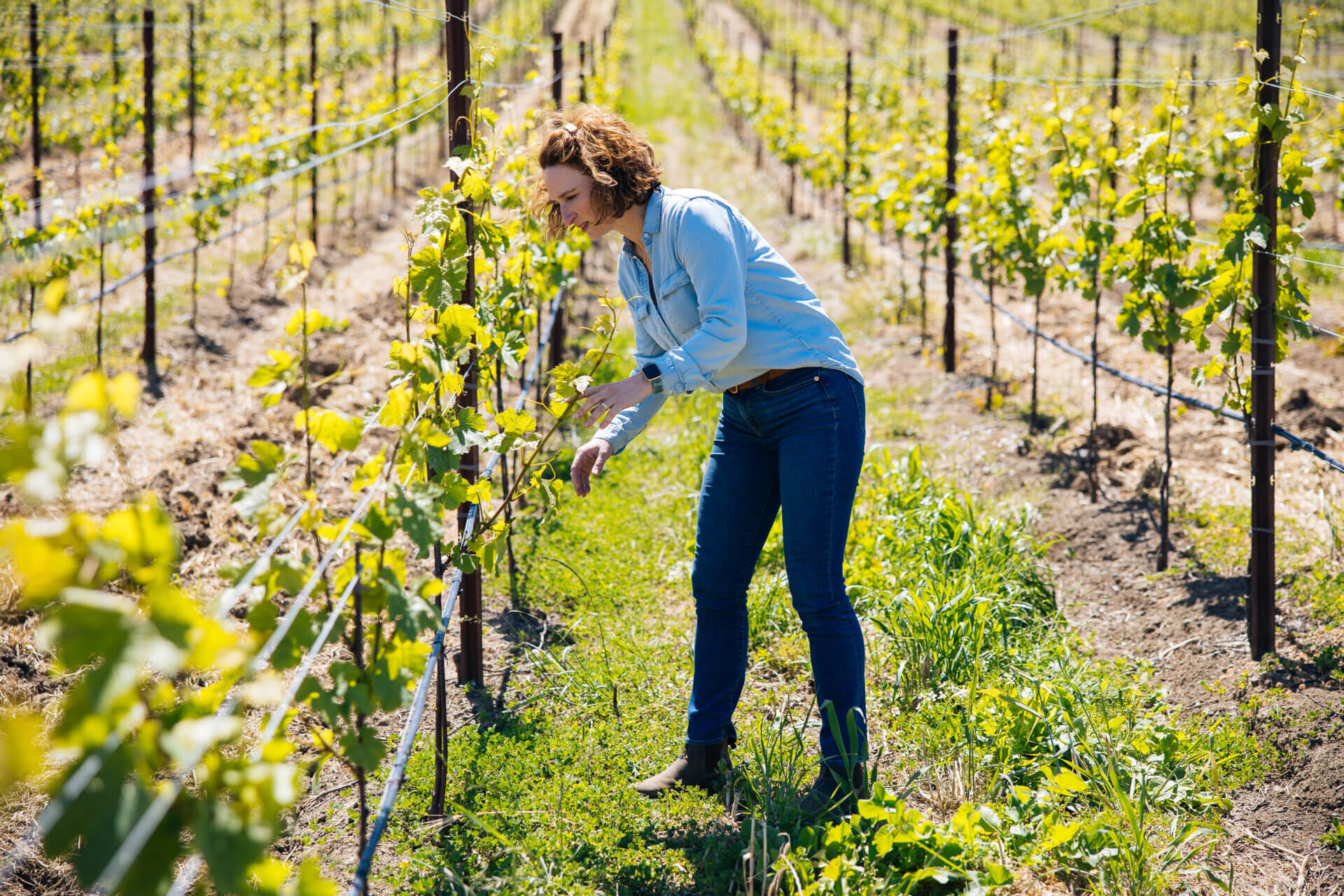
Of 180 acres, 132 are planted, the majority to Chardonnay and Merlot, along with smaller amounts of Cabernet Sauvignon, Cabernet Franc, Malbec, Sémillon, Roussanne, Marsanne, Viognier, and Pinot Blanc. Viticultural changes made by McCarthy’s team include a change in row orientation (to northeast-southwest from east-west); the removal of diseased vines; and the introduction of new rootstocks and clones chosen for drought tolerance and quality.
Among the clones newly established here is the Charlemagne Chardonnay clone, which is exclusive to Far Niente. The story behind it goes back to Gil Nickel, who was friends with the director of Maison Louis Latour. In 1981, Nickel brought budwood back from Burgundy to the University of California, Davis, to prepare it for commercial production; after several years and propagation trials in the field, he finally planted it in what was then Far Niente’s new Coombsville estate vineyards in the late 1990s. The oily texture imparted by this clone is a significant signature of Far Niente Chardonnay.
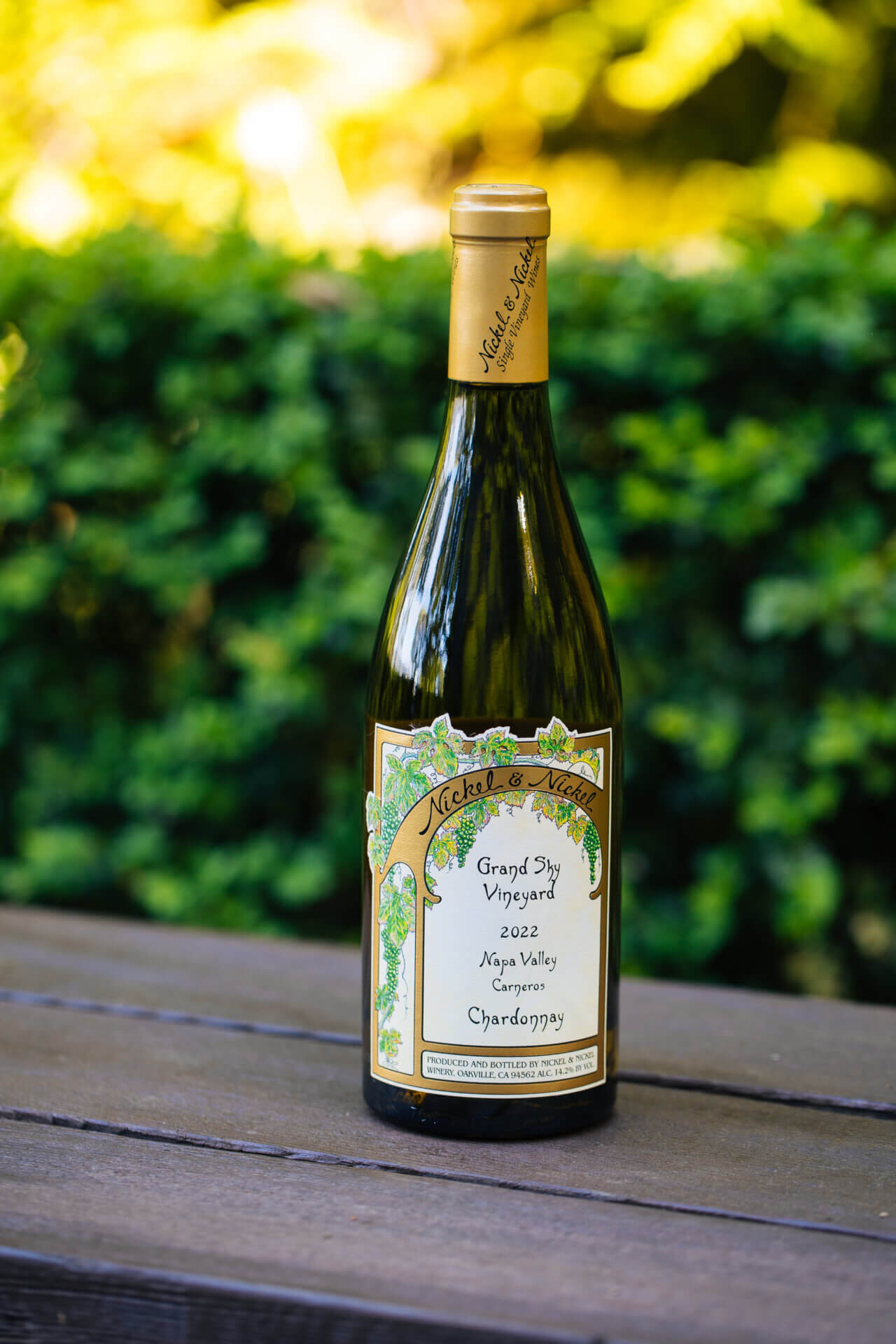
The first harvest of Grand Sky Chardonnay for the Far Niente family was in 2022, and it is already making a statement in the form of a single-vineyard wine from Nickel & Nickel as well as in wines from Far Niente and Post & Beam.
According to Nickel & Nickel winemaker Joe Harden, these Chardonnay grapes provide a wealth of natural acidity thanks to the site’s cool climate, soils, and elevation. The 2022 Grand Sky Single Vineyard Chardonnay is the first wine he’s made exclusively from Grand Sky. “It’s representative of place,” he notes. “It’s vibrant and fresh.”
Leading the Way
Whether it’s the flagship Stelling Vineyard, the new Bella Union and Grand Sky sites, or the other existing properties under Far Niente’s care, McCarthy wants to make the entire estate a standard-bearer of sustainability, setting it up to promote quality while reducing its carbon footprint, water use, pest pressure, and rate of erosion—all in service of aligning vineyard operations with the company’s broader quality- and growth-related initiatives, led by the goals to improve vine, soil, and aquifer health as well as biodiversity. For instance, this year, a more permanent cover crop was seeded at all vineyard properties, helping to reduce soil erosion and retain nutrients and water for better soil health while lessening the need for irrigation.
“We are lifelong learners, and we want to learn from the best,” Marchesi says. “That’s the trickle down from Gil—he always wanted to keep pushing to be the best by learning from others.”