

by Stacy Briscoe
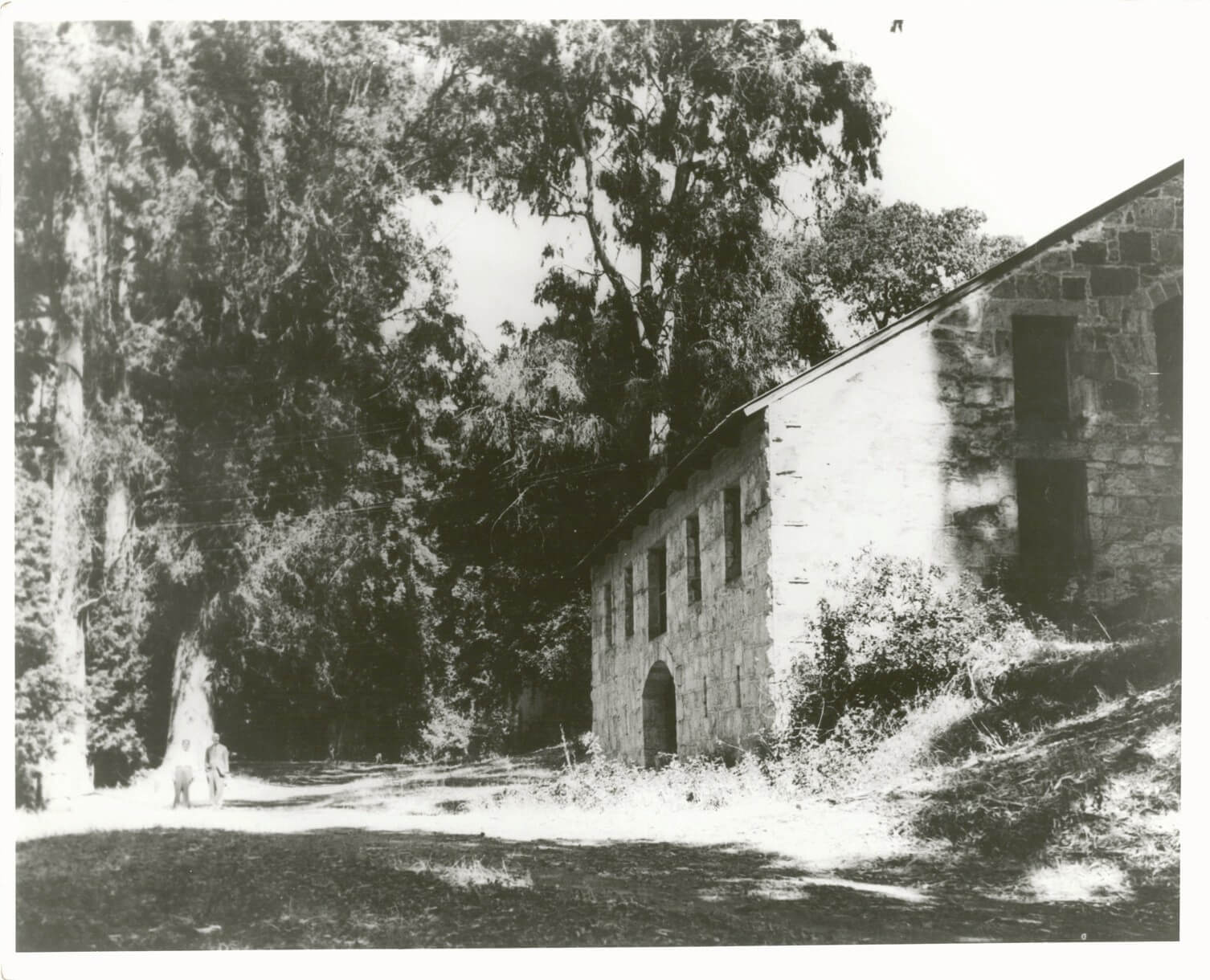
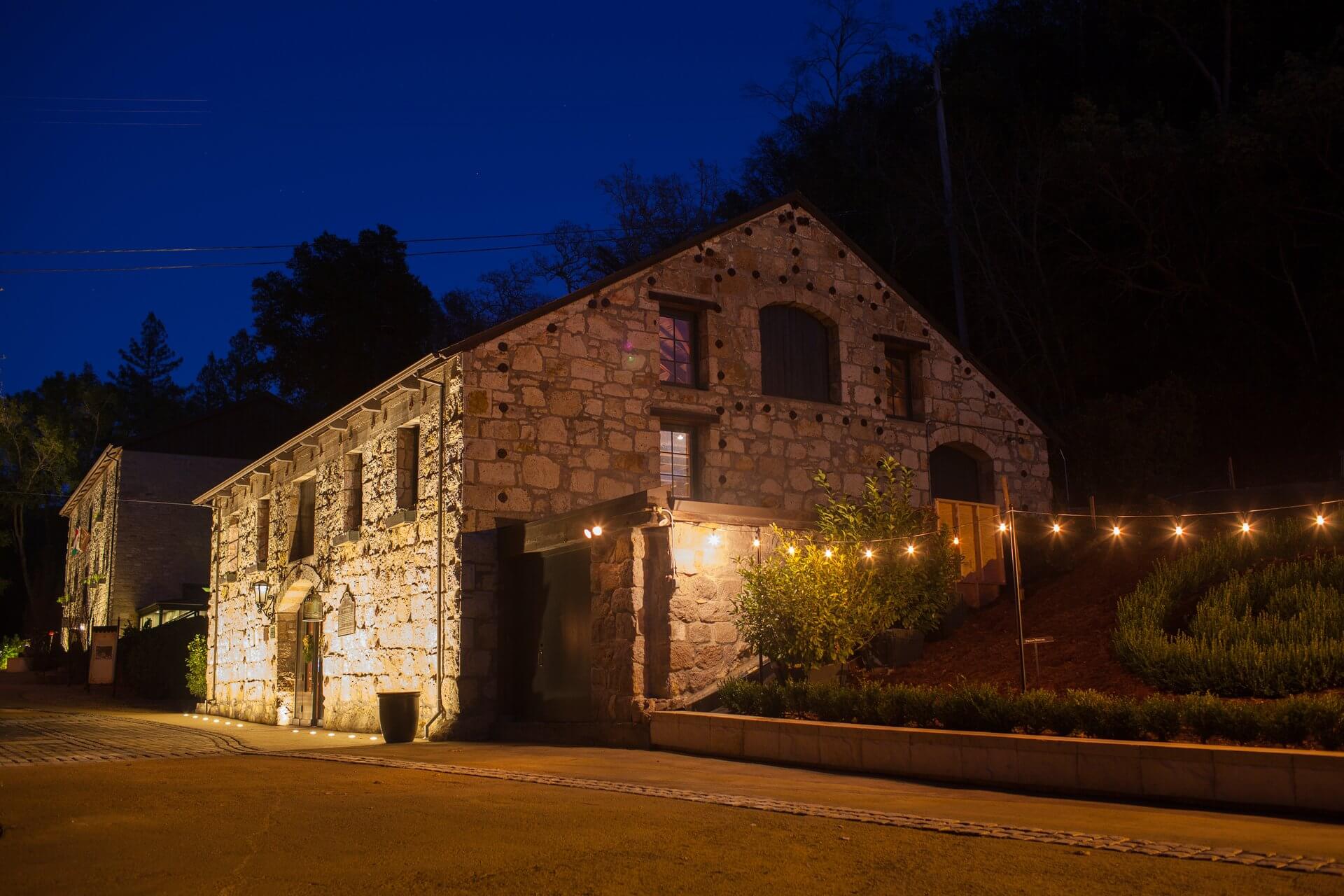
It’d be appropriate to start the story of Chateau Buena Vista with “Once upon a time . . . ” There’s an aura of fantasy, romance, and adventure interwoven into the legacy label that has undeniable historical significance in California’s wine evolution.
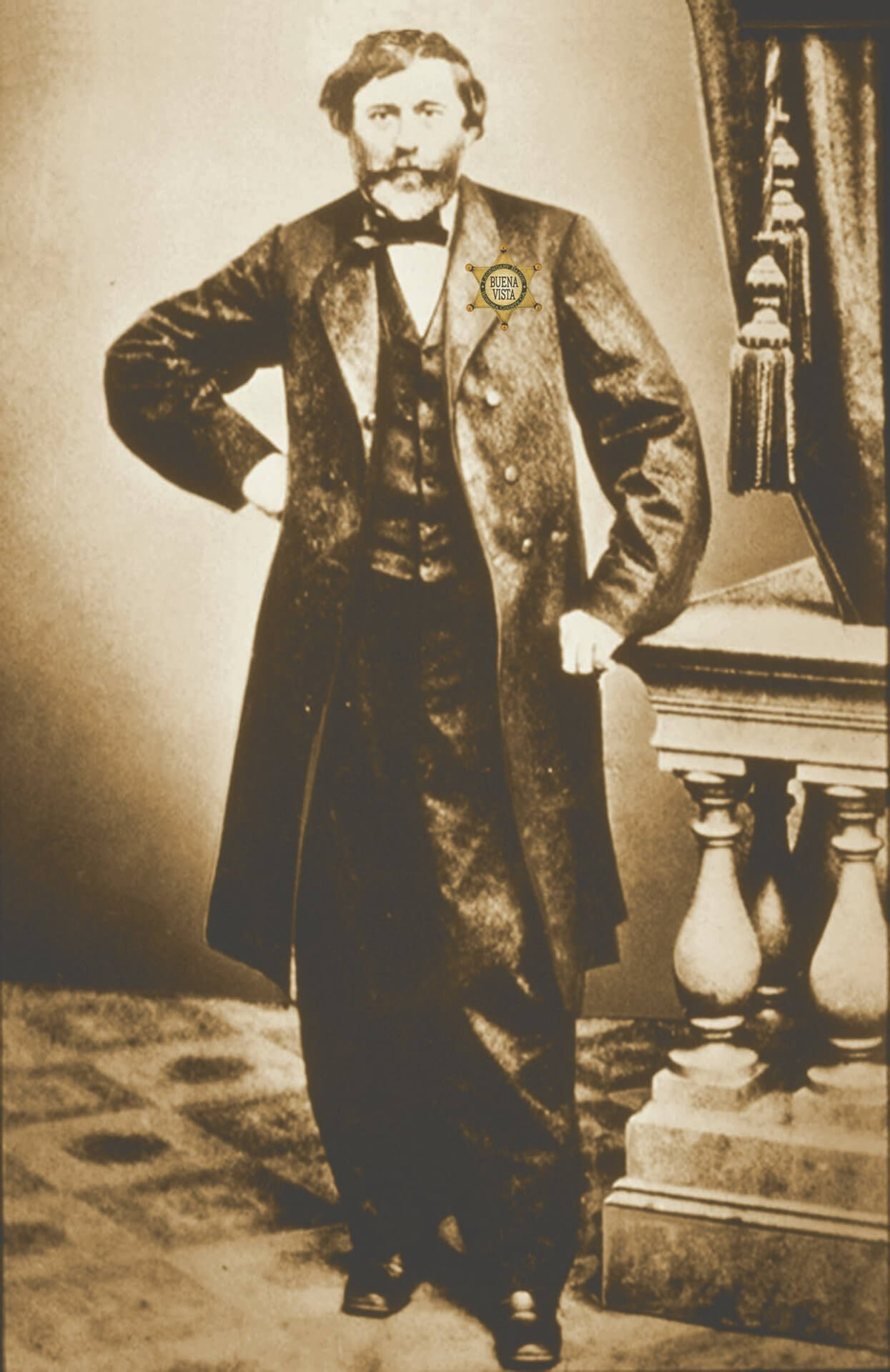
Wine pros and enthusiasts likely have a base familiarity with how this tale goes. For those new to the fold or who perhaps just need a refresher, we’ll travel back to 1857 when, after emigrating from his native Hungary and attempting winegrape-growing in both Wisconsin and San Diego, Agoston Haraszthy finally settled in Sonoma County, where he purchased a 12-acre ranch called Buena Vista.
A Goldilocks location in terms of soil, weather, and, at the time, room for growth, Haraszthy continued to build his empire with the purchase of an additional 4,000 acres and the construction of two on-site wineries. During this expansion, he found time to visit the established wine regions of Europe, bringing back with him 350 different grape varieties with which to experiment in the New World.
The story that unfolded between the rise of “the Count” (as he referred to himself), his eventual downfall, and Buena Vista’s current status as an area pioneer is rich with twists and turns. Zooming into the 21st century, undoubtedly the most significant occurrence was the purchase of the property and brand by Jean-Charles Boisset’s Boisset Collection in 2011. This is when the beauty of Buena Vista’s past truly began to reveal itself, evolving into the modern magic that seeps through every vine, wine, and experience.
“A Pioneering Spirit”
“When we took over, there were great wines being made under the old regime,” says Patrick Egan, senior vice president of marketing for Boisset Collection. “But the focus was solely on Pinot Noir and Chardonnay coming from Carneros; there was very little mentioned about the history. And for us, the history of Buena Vista is paramount.”
“We inherited and worked with the estate vineyard for a year, and honestly it was a bit of a disaster because of several different factors,” adds winemaker Brian Maloney. “There was a lot of acreage that either needed replanting or shouldn’t have been planted to winegrapes in the first place.” Today, Maloney says he’s producing his best Pinot Noirs and Chardonnays to date by working alongside growers throughout California’s North Coast. Speaking specifically about his Pinot Noirs, he comments, “We’ve shifted from being Carneros-centric to embracing the broader Sonoma Coast. This dual focus aligns with Buena Vista’s foundational history, predating the creation of appellations, and allows us to craft wines that are more dynamic, layered, and true to the diverse environments that shape them.”
In Maloney’s view, “the Buena Vista legacy isn’t just doing the same thing the same way for hundreds of years. It’s a pioneering spirit.” That spirit came to the forefront when, delving into the winery’s history alongside historian Charles L. Sullivan (author of Sonoma Wine and the Story of Buena Vista), the team came to learn of the Count’s influence beyond his home base in Sonoma.
“The estate as it was in the 1860s was so large that it reached over the edge of the Mayacamas and into Napa Valley,” says Egan. The Count began a business of homesteading—selling plots of land to up-and-coming growers who in turn promised to make their wine at his estate. This entrepreneurial enterprise not only helped fund Buena Vista but also brought more growers, including many now-famous names, to Napa Valley, fueling the region’s rise to the prominence it enjoys today.
Ageable and Approachable
Another aspect of Buena Vista’s evolution “was transforming from a Chardonnay and Pinot Noir house to extending across varietals and appellations,” notes Egan. “Today, the . . . bestseller by far is the Chateau Buena Vista Napa Valley Cabernet Sauvignon.”
In 2012, the winery released its first Napa Cabernet Sauvignon under Boisset’s ownership, producing a humble 200 cases exclusively for tasting room visitors. “It lasted less than a month,” says Maloney. “It was the first wine we ever sold for over $100—and people just gobbled it up.” Today, Buena Vista produces over 600,000 bottles annually of the expression, selling it both on- and off-premise.
Vital to the wine’s style is generous midpalate weight and texture. “It’s a Cabernet Sauvignon that shows very well early on its lifespan,” Maloney says. “It still has a lot of structure and can certainly age, but it isn’t something that needs ten to 15 years to be approachable.”
The key to this ageable yet approachable style comes from respecting that each block speaks to its own piece of Napa terroir and treating the grapes in a way that expresses how the climate, soil, and elevation have stewarded the grape during its lifecycle. This necessitates using a variety of fermentation styles that are blended to yield the finished wine, including a warmer, faster fermentation that produces a softer, richer-fruited expression and what Maloney calls the “classic valley-floor” style with extended maturation that cranks up the heat toward the end to extract even more flavor. “Then there’s a variance with a cooler ferment and cooler aging regime that, particularly after the 30-day mark, gets velvety textures. Layering that structured-core style with the rich-extraction style—that’s where the success comes from,” he says.
Maloney also points to the wine’s double exposure to new oak. “After malolactic and being in the original cask for 16 months, we make [large] blends and then flash it into new oak,” he explains. That not only imparts strong aromas and flavors but also allows for higher levels of oxygen ingress. “Essentially you’re aging the wine a bit quicker—without having to use micro-ox and oak adjuncts—and allowing the wood to soften the palate,” he adds. In all, the wine sees an average of 28 months from initial ferment through maturation before being bottled for release.
So abundantly successful is the Chateau Buena Vista Napa Cabernet Sauvignon that in 2018 the estate purchased 45 acres in St. Helena planted to Cabernet Sauvignon and fellow classic Bordeaux varieties Petit Verdot and Cabernet Franc, which are also featured in the blend. “It was all older, virused vines that we’ve transitioned to newer plantings, and it’s just now in the early 2020s that we’re starting to see these grapes shine in the Chateau Buena Vista,” says Maloney.
“Like a Fairy Tale”
Buena Vista prides itself on being at the forefront of California fine wine, driven by that pioneering spirit passed down by the Count. As a result, nothing is ever static at the estate; in a world where consumer preferences are evolving at an almost alarming rate, the historic winery is able to not just keep up but stay ahead of modern market demand.
Remember those 350 varieties the Count brought with him back in the day? There’s a wine club for that. The Buena Vista Vinicultural Society brings together small-production bottlings of lesser-known wines—think Valdiguié, Charbono, and Ribolla Gialla—and classic ones like Zinfandel, Mourvedré, and Carignan from historic old-vine plantings throughout the state.
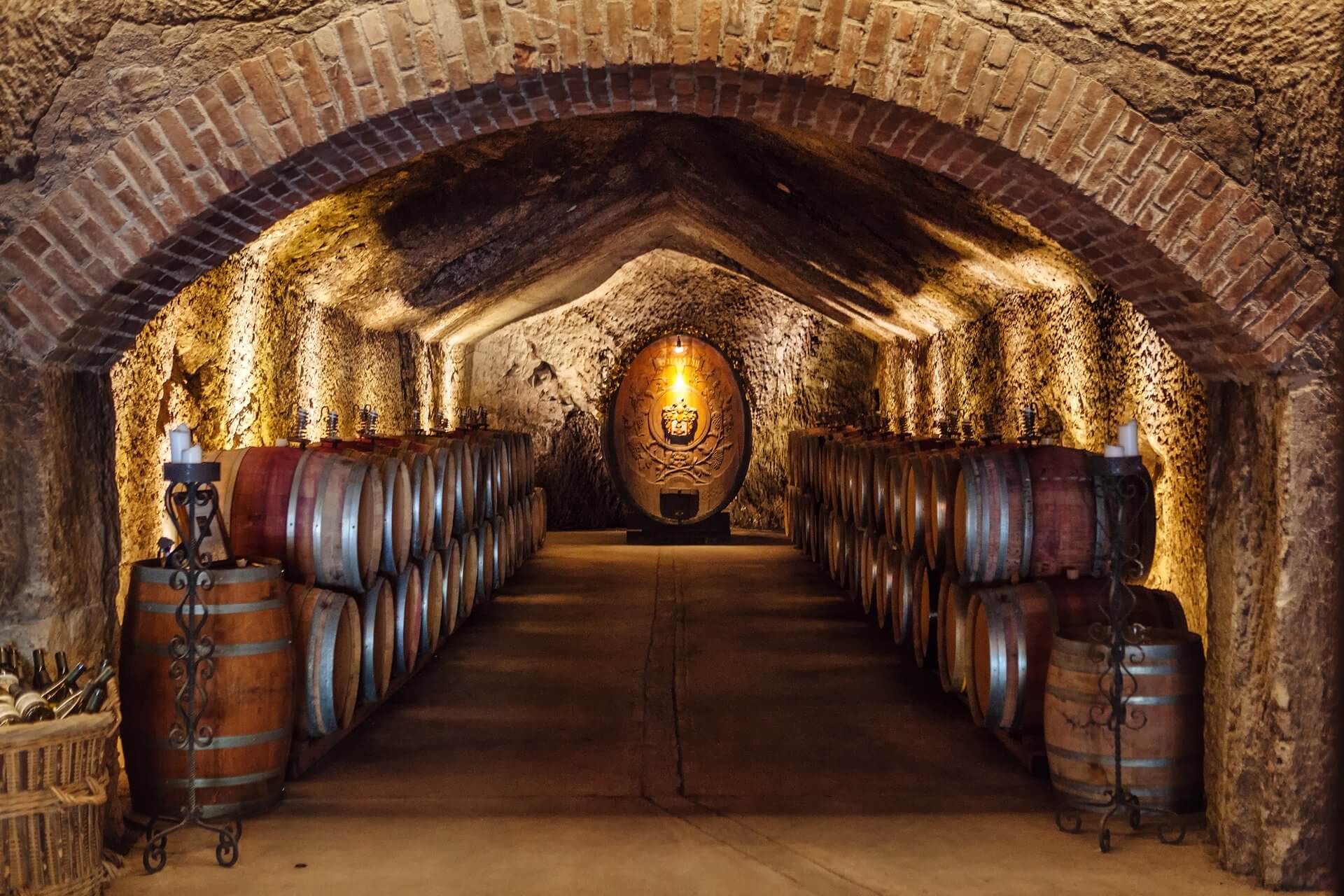
Not a drinker? Not a problem. “You can enjoy a whole-day’s experience at Buena Vista and not even drink wine,” says Egan. Walking through the property is like being transported back in time: Guests can tour either of the two wineries—which were both retrofitted in 2012 to maintain their original architecture, complete with pickaxe marks from the initial construction—and get lost in the epic hedge maze or check out the wine tool museum. Kids, pets, picnics—all welcome. “It’s like a fairy tale,” says Egan. “It’s an extremely romantic story with lots of interesting characters. That’s what makes Buena Vista relevant, exciting, dynamic—and fun.”