

PHOTO: MICHAEL BUTCHER
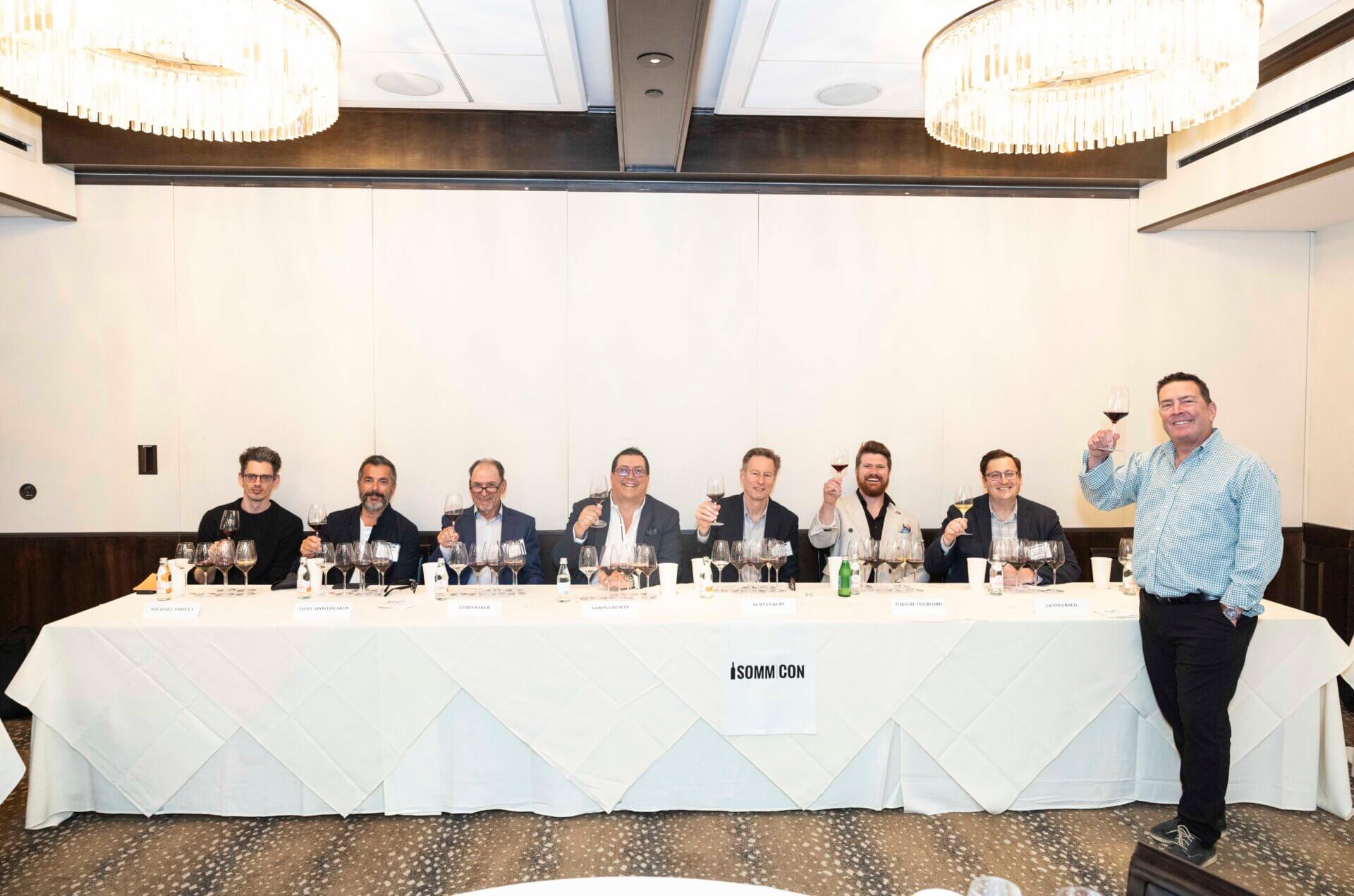
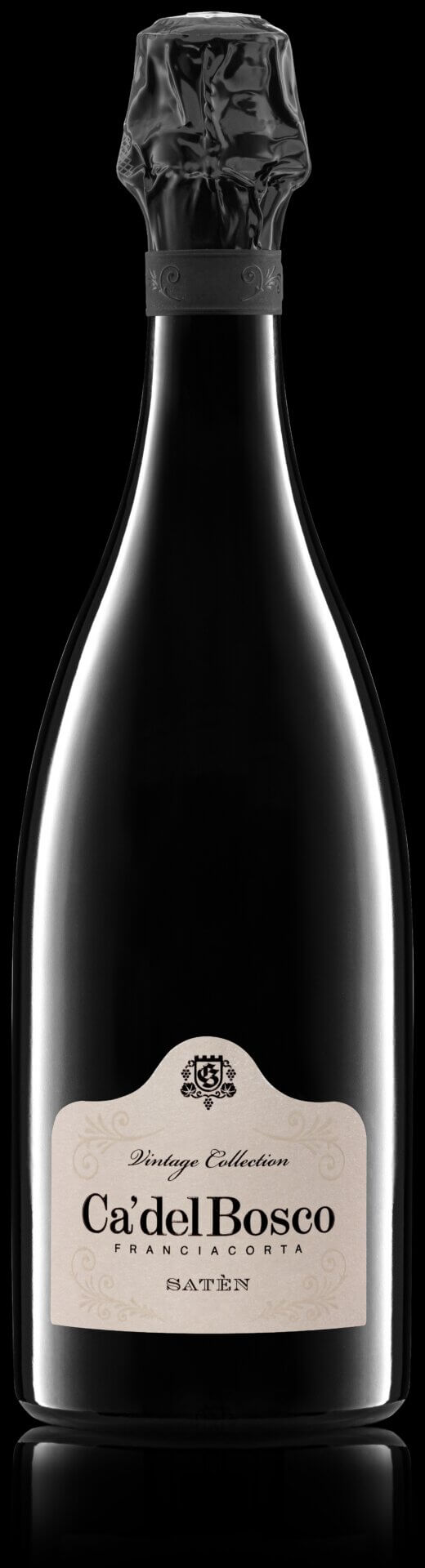
Does geography entirely shape what’s in your glass, or does winemaking technique play a role? That’s what a recent SommCon DC Summit seminar set out to explore in early June. Held at Joe’s Seafood, Prime Steak & Stone Crab, “Wine Quality and Character: Is There a Continental Divide in Wine?” brought together industry pros with one mission in mind: to explain what exactly determines the character of a given wine—in this case, the Ca’ del Bosco 2019 Vintage Collection Satèn Franciacorta—to an audience of 40 on- and off-premise wine buyers and sommeliers from the Washington, D.C., area.
HERITA USA Ca’ del Bosco and portfolio wine senior manager Jacob Gragg noted that the wine embodies a style just as unique as the region it comes from. While Franciacorta shares with Champagne the traditional method of sparkling wine and the use of Chardonnay, Gragg noted that “after that, everything’s different.”
The region stands out for its well-drained soils, which he said make it different from other sparkling wine regions around the globe that are set on water-retentive soils. The climate in Franciacorta, too, is defined by diurnal shifts that make it more like that of Northern California than of Northern France. The end result? Extra-brut wines that are ripe and fresh. “The region as a whole has this climate where grapes don’t get overripe, but they do get fully ripe, and you taste this in the wine,” Gragg said.
Made mostly from Chardonnay, Satèn—a Blanc de Blancs—is a distinctive style that Ca’ del Bosco was the first to produce. “Instead of having 6 atmospheres of pressure like a normal Franciacorta or many other bubbly wines in the world, it has only 5 atmospheres of pressure,” Gragg explained. The winery is also one of the few in Franciacorta that consistently uses Pinot Bianco, including in its Satèn. Attendees tasted the 2019 vintage, which featured 85% Chardonnay, 15% Pinot Bianco, and half a gram of residual sugar. While the wine’s richness, roundness, and fullness is not something you typically see in this style of winemaking, it’s something that sets Ca’ del Bosco apart as a producer within the region, according to Gragg, just as Satèn sets Franciacorta apart on the world stage of sparkling wine producers. As for the name, Ca’ del Bosco helped come up with it in the early 1990s to replace the use of Crémant; it’s meant to invoke the idea of the silkiness of satin. “It’s a fantasy name that we trademarked not for us as a producer,” Gragg concluded, “but for our region, and it has effectively become the hallmark style.” —Stefanie Schwalb
The theme of this year’s Wine & Beverage Summit, a two-day event that ran May 5–6 at the Culinary Institute of America (CIA) at Copia in Napa, California, was “Business Savvy for the Wine Professional.” Moderated by SOMM Journal vice president of education Lars Leicht, a dynamic panel composed of two sommeliers and five winemakers helped jump start day one of the summit with a session titled “Techniques of Tasting with The SOMM Journal.” Leicht brought a laser-like focus to the hour-long discussion as the panelists took a fast-paced yet deep dive into the sensory evaluation of seven memorable wines, including the 2016 Annamaria Clementi Dosage Zéro Riserva from Franciacorta. In his opening salvo, Leicht quoted the Latin maxim De gustibus non est disputandum, which roughly translates to “When it comes to taste, there is no argument.” “However,” he said, “when it comes to tasting wine, there’s always an argument, because everyone has personal style, personal tastes, and their own perspective.” While the audience composed of CIA students and wine professionals sipped along, Leicht invited each panelist to describe their wine’s sense of place, share their techniques, and divulge their tasting “secrets.”
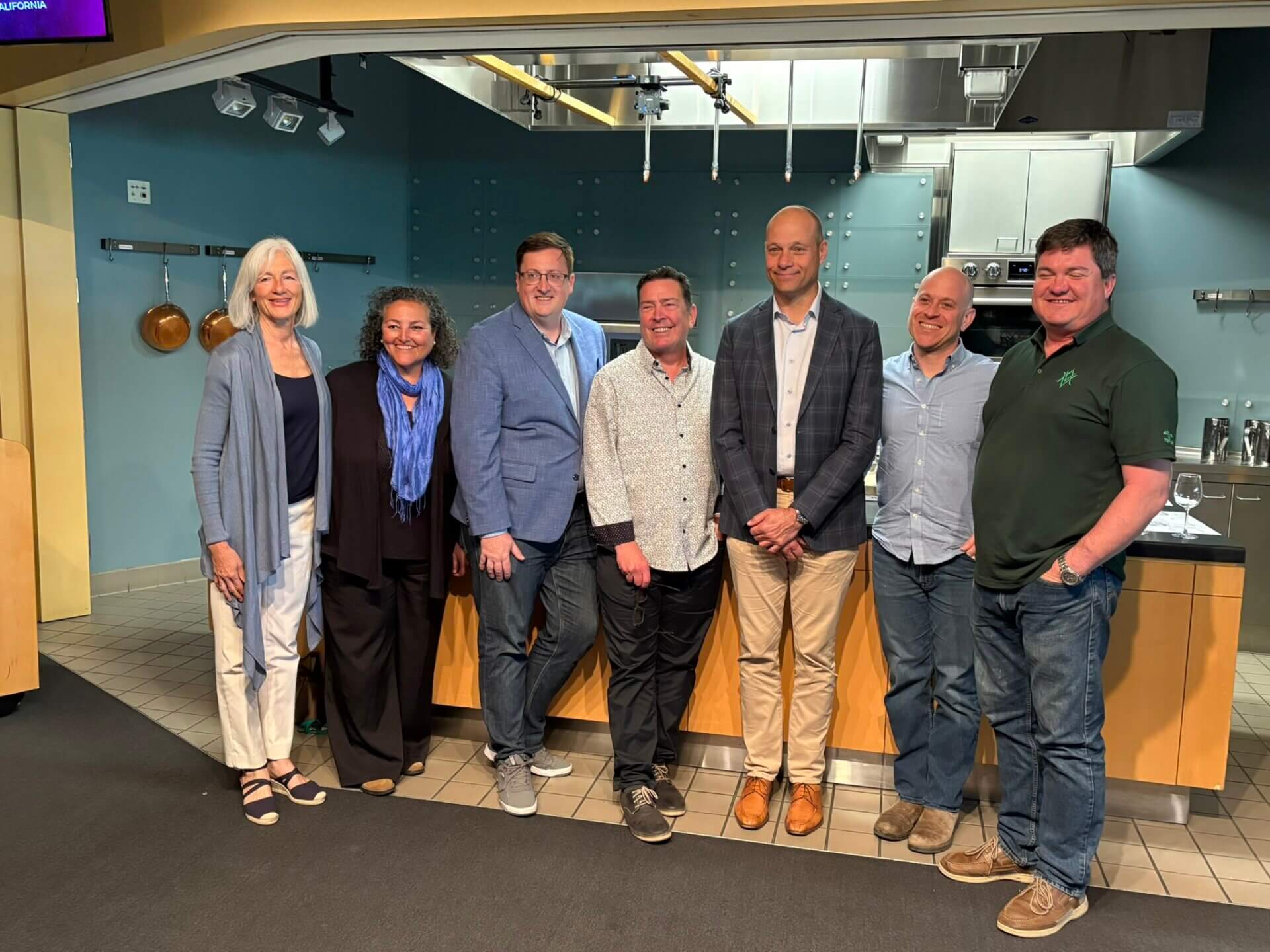
PHOTO: DEBORAH PARKER WONG

PHOTO COURTESY OF HERITA USA
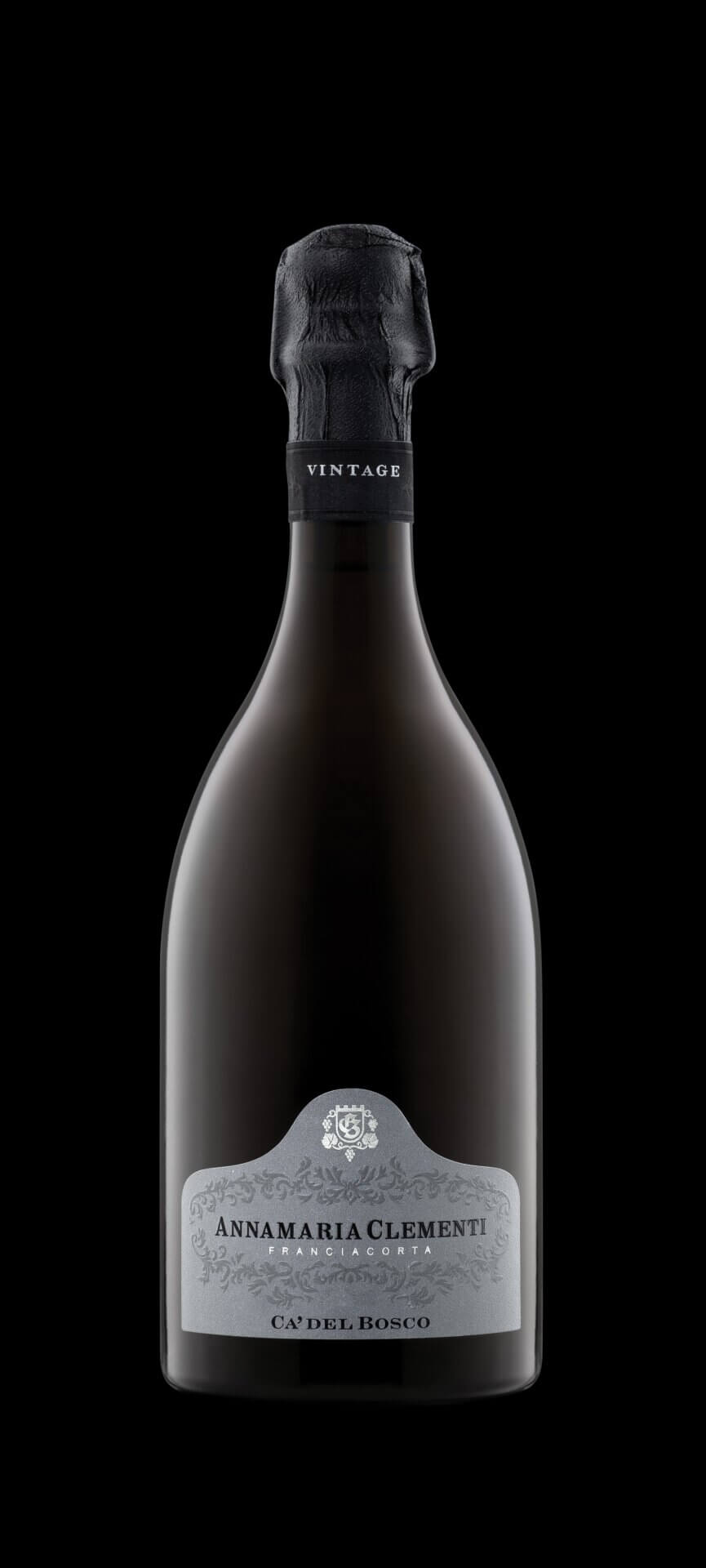
Jacob Gragg,Ca’ del Bosco and portfolio wine senior manager for HERITA USA, introduced the Annamaria Clementi Dosage Zéro Riserva, which aged eight years. “In evaluating sparkling wine, one of the first things to look at is the carbonation level: Is the wine fully sparkling—at 6 atmospheres of pressure—or less so?” Gragg asked. Along with Franciacorta (not including Satèn), Gragg cited Champagne, Cava, French Crémant, and domestic sparkling wine as examples of fully sparkling expressions and Prosecco as a Charmat-method wine bottled under lower pressure due to its production technique. He also pointed to fruit character and dosage level as key markers, noting that the balance point—his expression for the overall impression of a wine derived from its production style, level of sweetness, and origin—for tasting Franciacorta is different from that of Champagne. “Every wine we make right now has less than 2 grams of sugar in the dosage, and that’s across nine different sparkling wines we produce. We haven’t made a wine that had more than 6 grams of sugar in it for 25 years,” he added.
As it has one of the longest aging requirements in the world, Franciacorta will typically show significant autolysis, often exhibited by bready, yeasty flavors. For Gragg, detecting that autolytic level is important when blind tasting, as Franciacorta can be quite difficult to identify, requiring a holistic view of the grapes utilized, the winemaking technique, and the climate: “If you were to taste ten different Franciacorta wines aged for about the same amount of time, they would all be wildly different. Some would have wildly different blends, and they’d show very different characteristics,” he said. —Deborah Parker Wong
