by Vince Anter
There’s no denying that Lebanon has been through a lot. Occupations, foreign and civil wars, financial crises, the 2020 Beirut port explosion, the Syrian refugee crisis—the list goes on. But on my trip to Lebanon last year for our upcoming V is for Vino episode, I wanted to showcase the country’s citizens through a different lens: one that acknowledged their past and present struggles while also celebrating their wine and food culture, identity, and zest for life. After all, this is the country of my ancestors, and it was time the world learned what I knew about the warmth of the Lebanese people and the incredible wine they produce.
Over 5,000 years of winemaking have a way of leaving an imprint on a country. While wine has not been made continuously throughout Lebanon’s history (the Ottoman Empire and its strict rules around alcohol put a pause on that), the practice goes back to the ancient Phoenicians, the first culture to truly commoditize wine. The Lebanese are notoriously savvy entrepreneurs, and perhaps this heritage has something to do with that. Their resilience has helped them sustain their wine industry through all the aforementioned trauma that has occurred in the country—that and a bit of influence from the French, who brought their wine culture, grapes, and techniques here during their occupation of the country from 1920 until 1943.
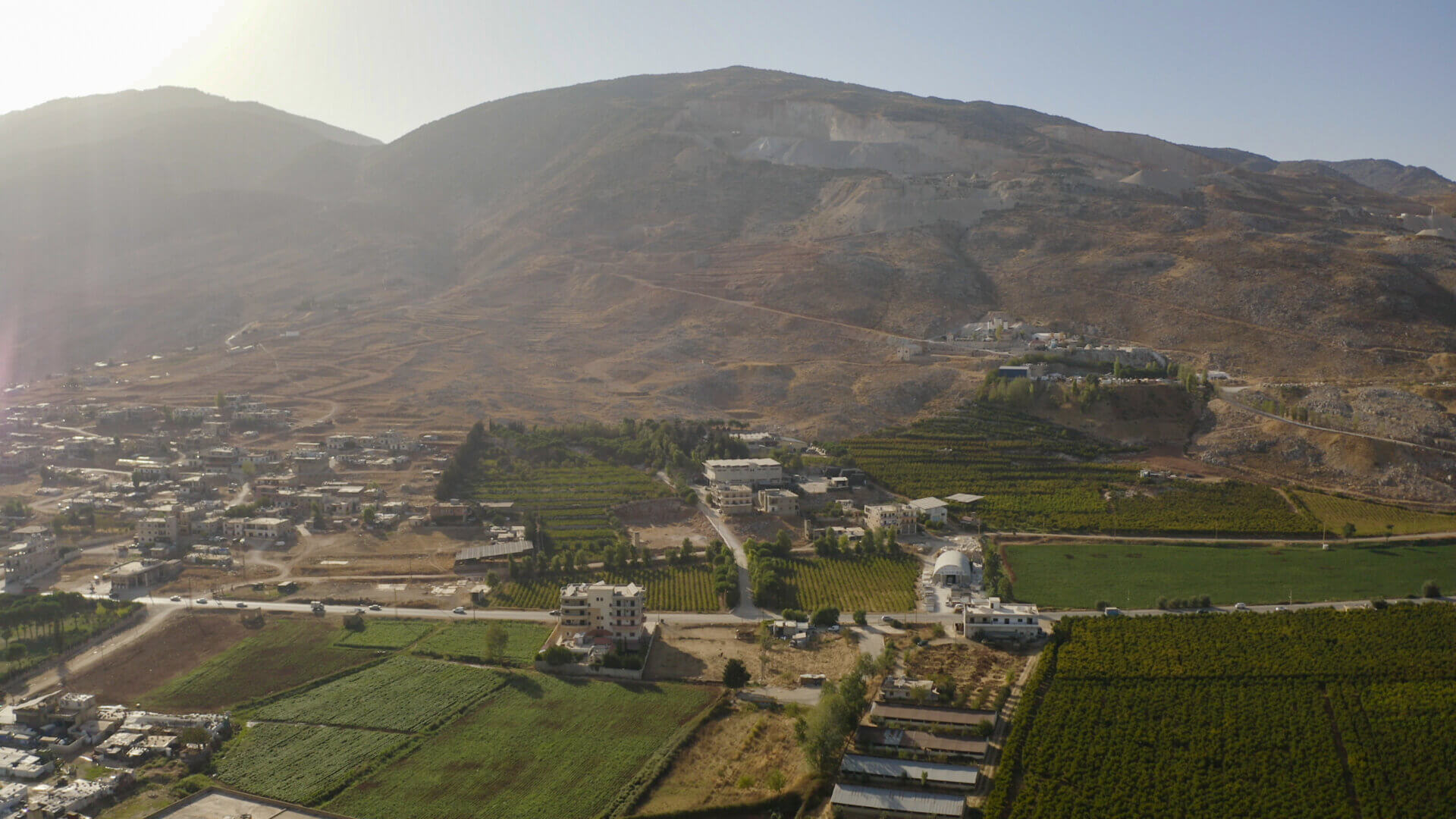
Every winemaking region needs an X factor, and Lebanon’s is its altitude. There, grapes are planted at the highest altitudes in the Northern Hemisphere, between 900 and 2,400 meters. This helps combat the intense heat; however, don’t mistake Lebanon for a sandy wasteland. Smaller than Connecticut, it’s the only Middle Eastern country without a desert; rather, it’s a combination of coastline (with ocean breezes conducive to winegrowing) and mountains (with valleys well suited to viticulture). These factors, along with the Mediterranean climate, make modern winemaking practices like dry and organic farming possible.
Primarily Rhône and Bordeaux varieties, the grapes of Lebanon are often blended; the Cabernet/Syrah blend is common and lends a truly unique spice component to the wines. Indigenous grapes are also coming back into fashion, especially white varieties such as Obeidy and Merwah. Taken as a whole, Lebanese wines can be laced with flavors found nowhere else in the world, including cumin, sumac, incense, rosewater, carob, kirsch, and banana. Sometimes they are oxymoronic in that fresh, high-acid wines might show dried fruit character or rich, creamy whites might have only 11% ABV—and other times, they’re similar to wines you know and love. But most importantly, they are all tremendously undervalued: These are rock-star wines at cover-band prices.
I don’t have the space here to dive into the food (which was unbelievable); the arak (anise liquor made from fermented grapes and anise seeds); the Beirut nightlife (which is more cosmopolitan than you might expect); and the hospitality and kindness of the people. For that, you’ll have to tune in to our Lebanon episode, which is out on YouTube on June 2. In the meantime, grab a bottle of Lebanese wine and know you’re supporting a remarkable product that deserves your attention.
Until next wine,
Vince
Episodes of V is for Vino can be watched for free on YouTube @visforvino.